Bitcoin Hardware Wallet Comparison (2026)
The complete feature breakdown. Green means good. Red means bad. Find the wallet that meets your security needs.
The best Bitcoin hardware wallet in 2026 is the Blockstream Jade Plus ($149, 10/10): Bitcoin-only, open source, and air-gapped with a built-in camera. The Foundation Passport ($199, 9.7) is the premium alternative, the BitBox02 ($150, 9.3) is the easiest USB wallet, and the Jade ($79, 9.3) is the best value. Every multi-coin wallet scores below 3/10 on my list.
| Best overall | Blockstream Jade Plus | $149. Air-gapped, open source, 10/10. |
| Best premium | Foundation Passport | $199. Air-gapped, open source, 9.7/10. |
| Best USB wallet | BitBox02 Bitcoin-Only | $150. Swiss-made, 9.3/10. |
| Best value | Blockstream Jade | $79. Air-gapped with a built-in camera, 9.3/10. |
| Best DIY | SeedSigner | $50 in parts. Stateless and air-gapped, 9.2/10. |
Updated September 2026
| Wallet | Price | Rating Vibes based ranking. My decision making is centralized. Bitcoin is not. Deal with it. | Bitcoin-Only | Open-Source | Air-Gapped | Secure Element | QR Mode | Multisig | Passphrase | Screen |
|---|---|---|---|---|---|---|---|---|---|---|
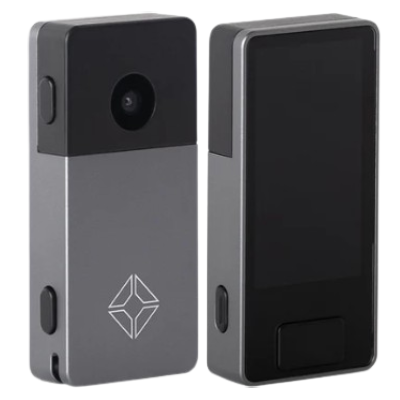 Blockstream Jade PlusTOP PICK Bitcoin-Only | $149 | 10 | ||||||||
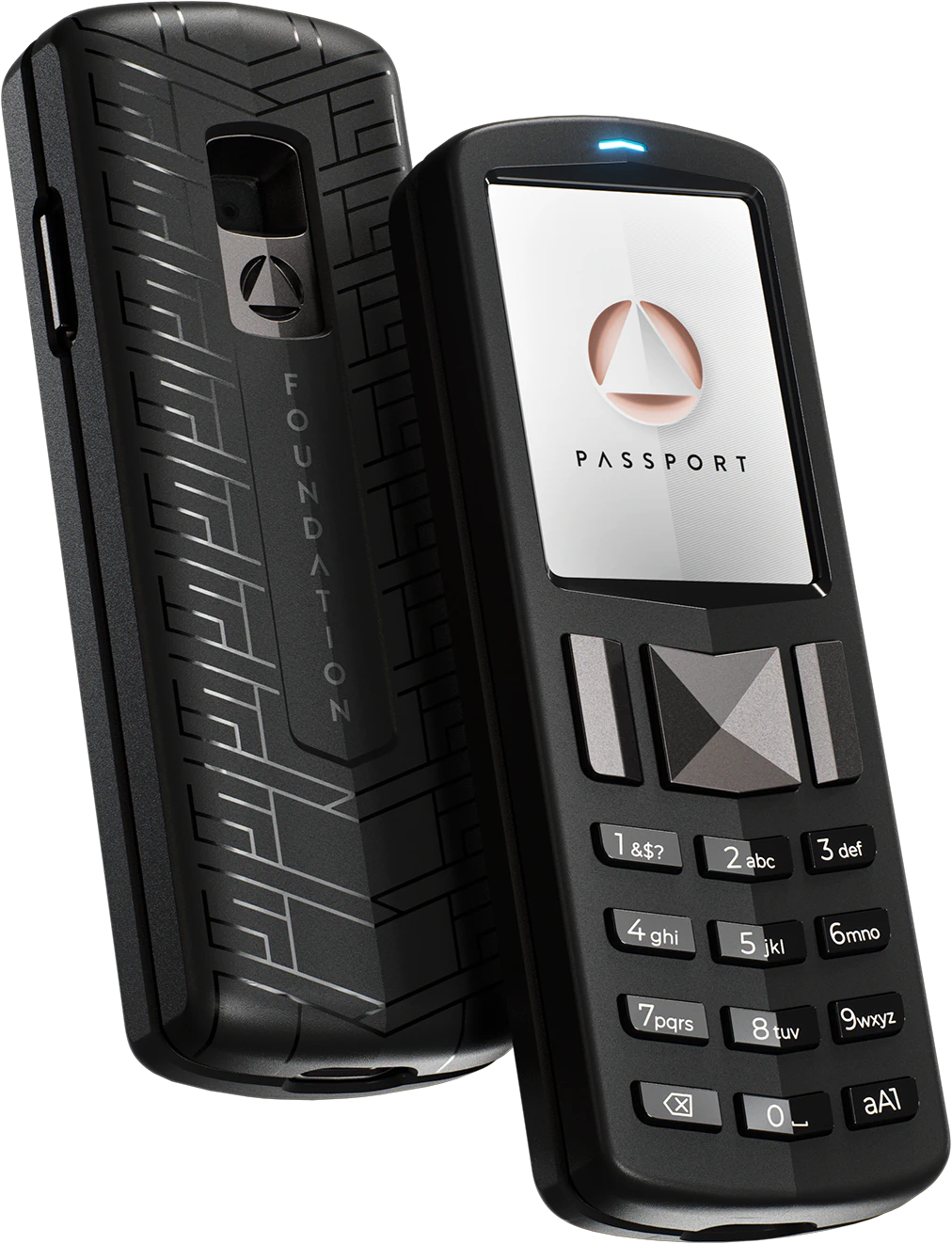 Foundation Passport Bitcoin-Only | $199 | 9.7 | ||||||||
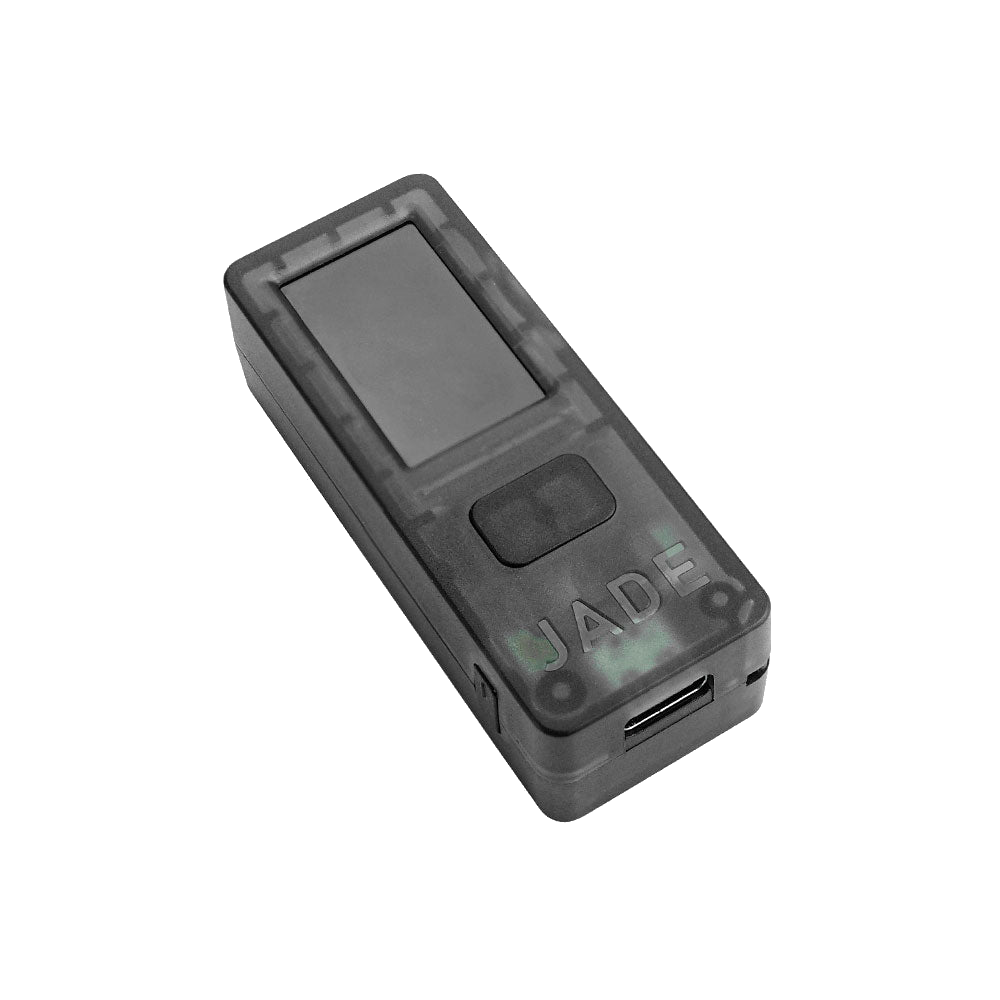 Blockstream Jade Bitcoin-Only | $79 | 9.3 | ||||||||
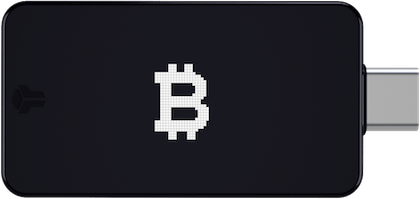 BitBox02 Bitcoin-Only Bitcoin-Only | $150 | 9.3 | ||||||||
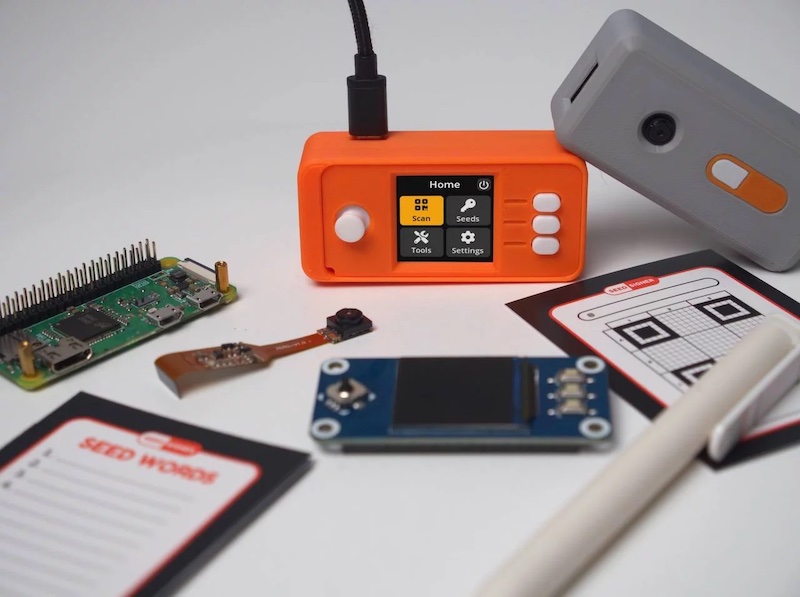 SeedSigner Bitcoin-Only | $50 | 9.2 | ||||||||
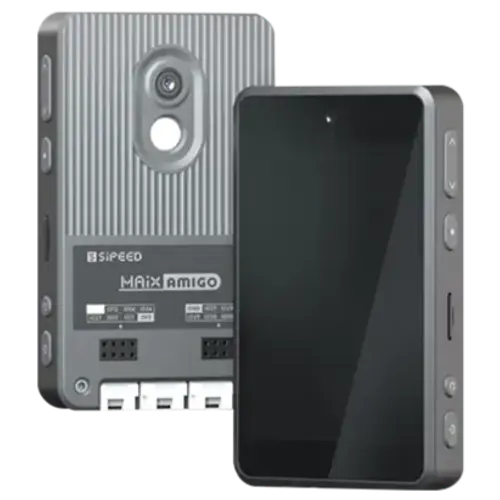 Krux Bitcoin-Only | $40 | 8.8 | ||||||||
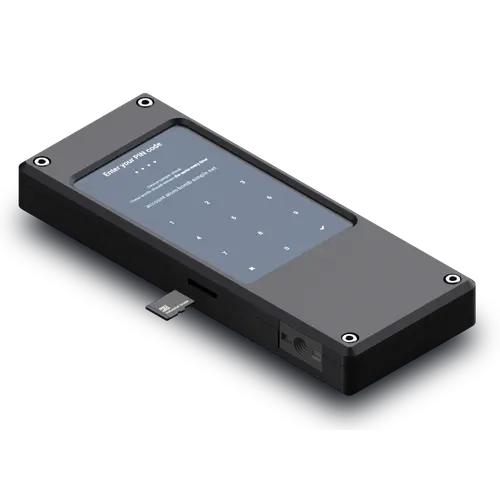 Specter DIY Bitcoin-Only | $120 | 8.5 | ||||||||
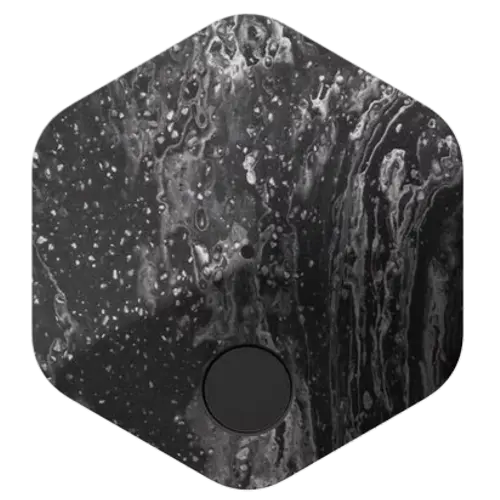 Bitkey Bitcoin-Only | $150 | 8.5 | ||||||||
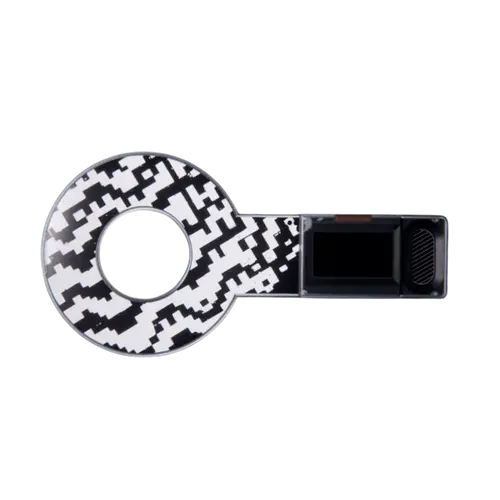 Portal Bitcoin-Only | $99 | 7.5 | ||||||||
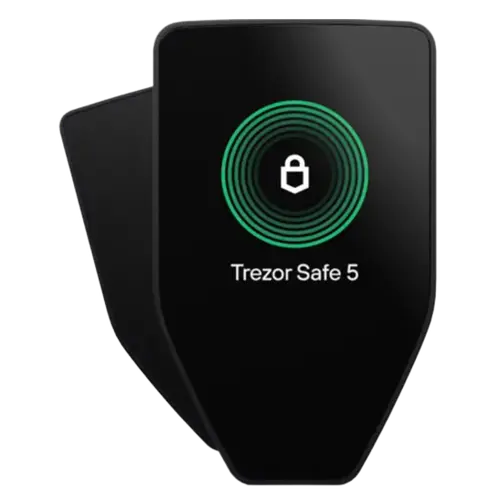 Trezor Safe 5 | $129 | 3 | ||||||||
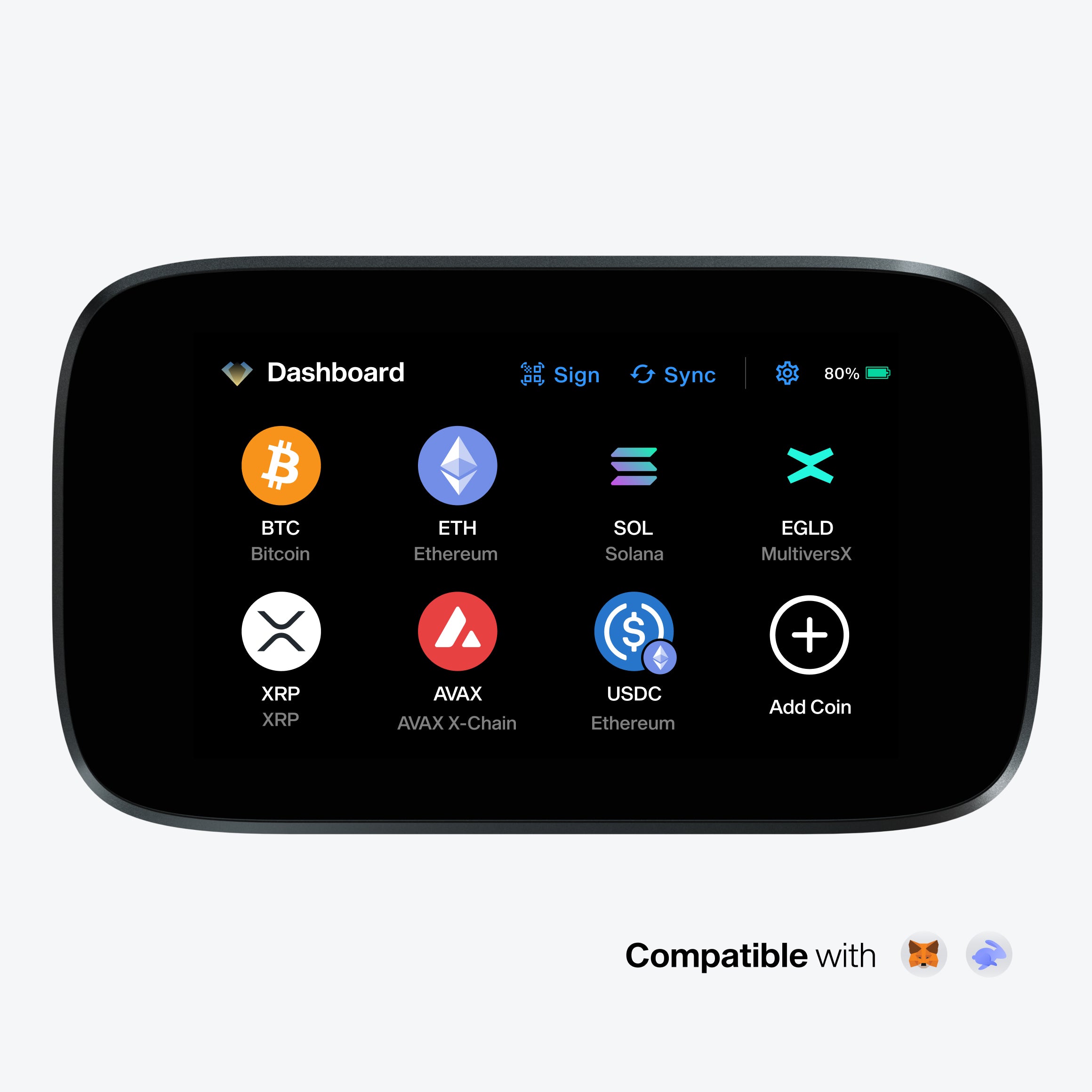 NGRAVE ZERO | $398 | 2.9 | ||||||||
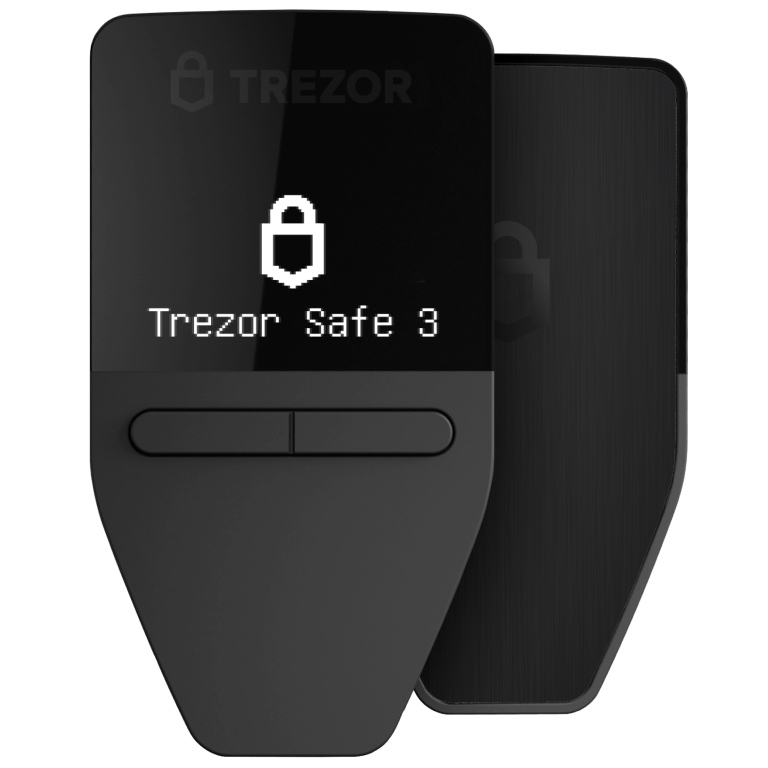 Trezor Safe 3 | $59 | 2.8 | ||||||||
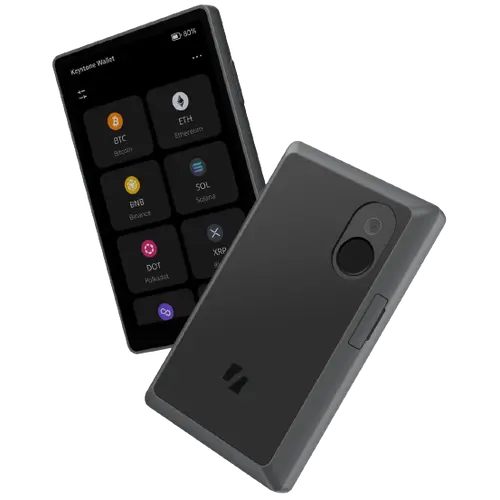 Keystone 3 Pro | $149 | 2.5 | ||||||||
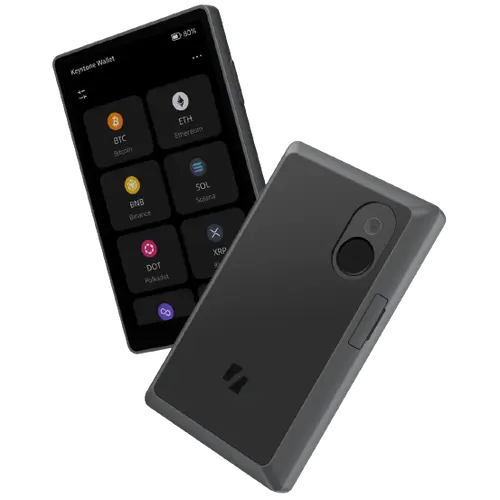 Keystone Essential | $119 | 2.3 | ||||||||
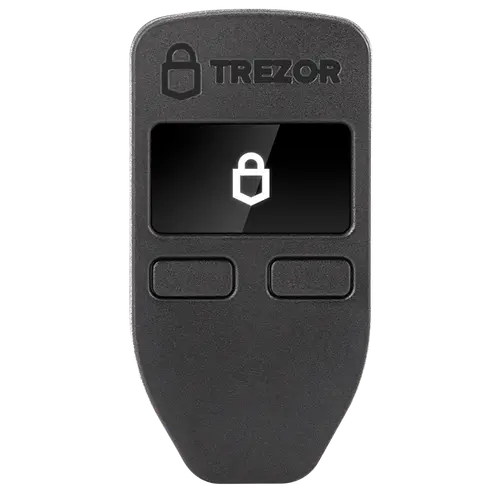 Trezor Model One | $49 | 2.2 | ||||||||
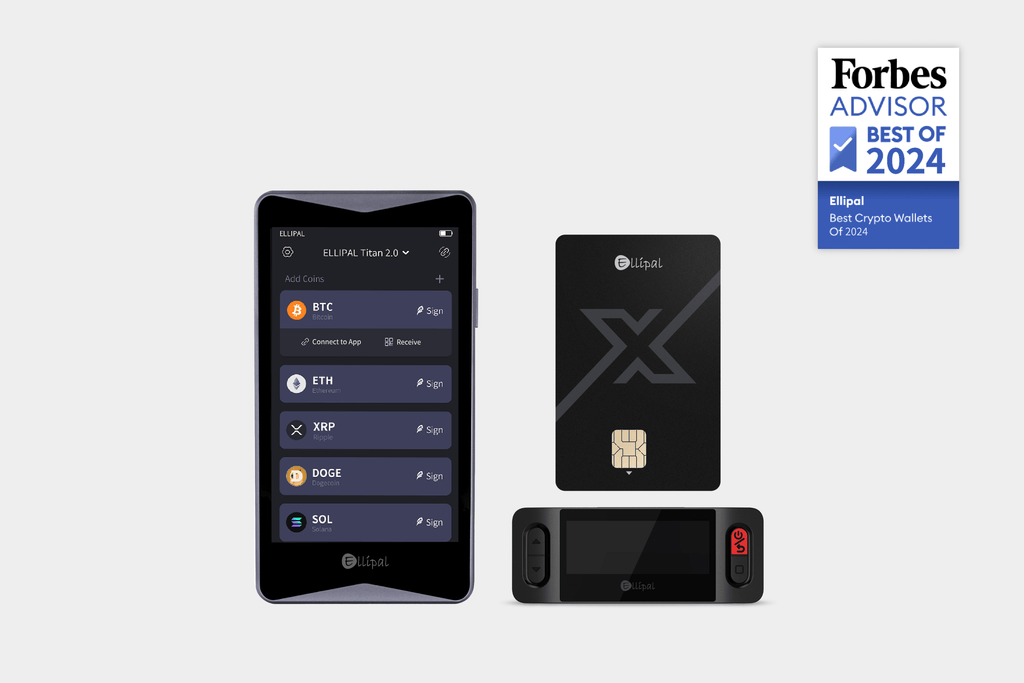 Ellipal Titan | $169 | 1.8 | ||||||||
 Tangem | $70 | 1.8 | ||||||||
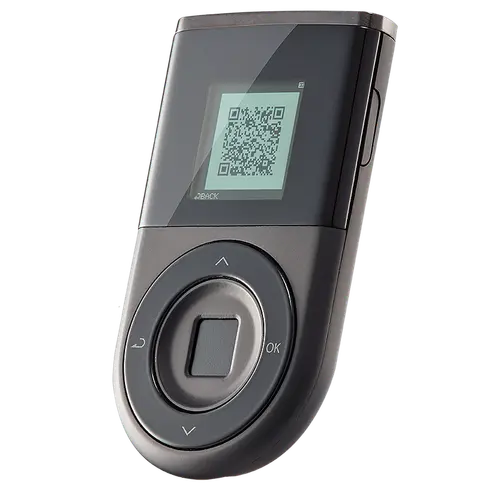 D'CENT Biometric | $159 | 1.7 | ||||||||
 Ledger Nano S Plus | $59 | 1.6 | ||||||||
 OneKey Classic | $85 | 1.6 | ||||||||
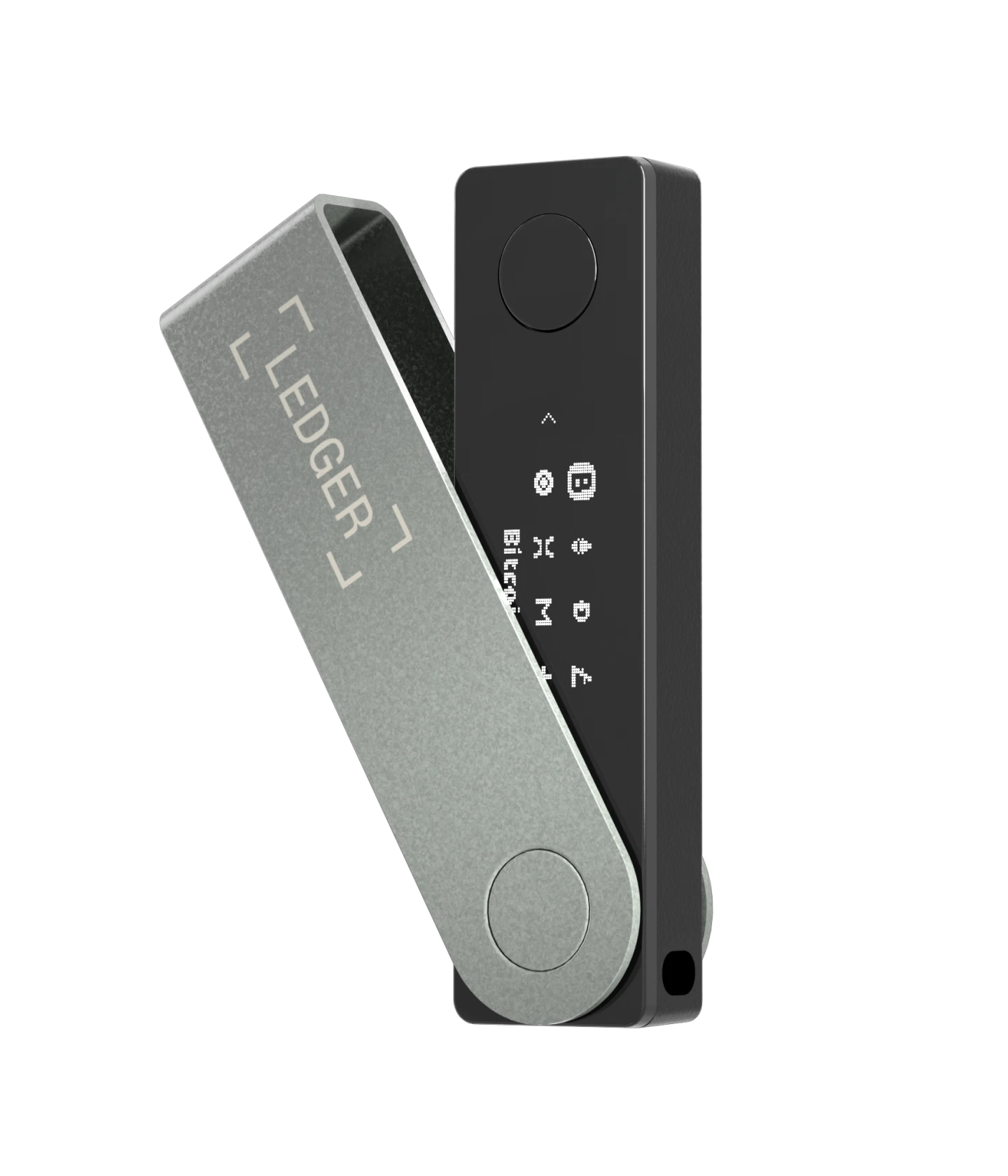 Ledger Nano X | $99 | 1.5 | ||||||||
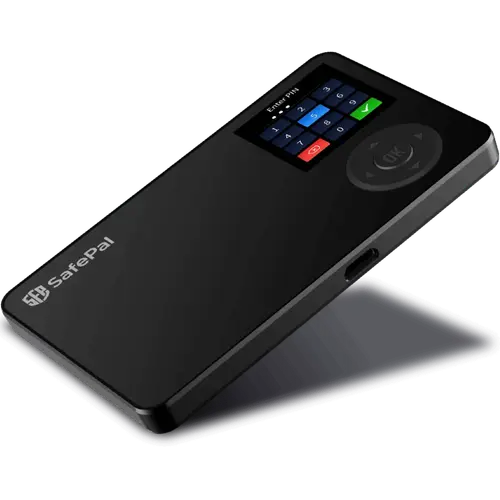 SafePal S1 | $50 | 1.5 | ||||||||
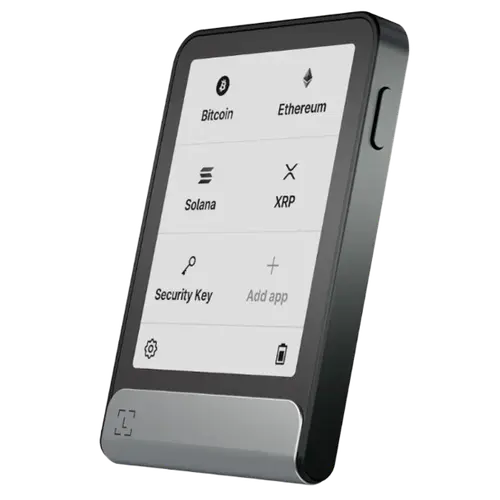 Ledger Flex | $249 | 1.4 | ||||||||
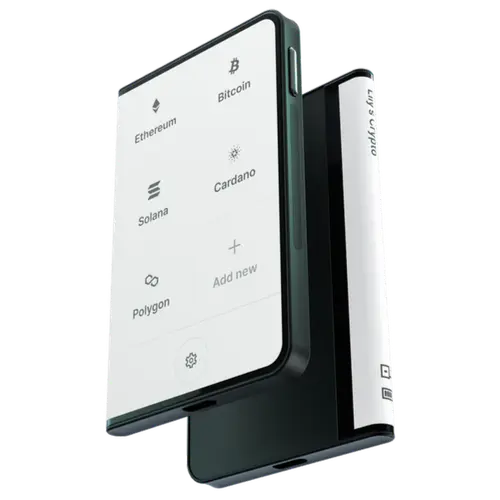 Ledger Stax | $399 | 1.3 | ||||||||
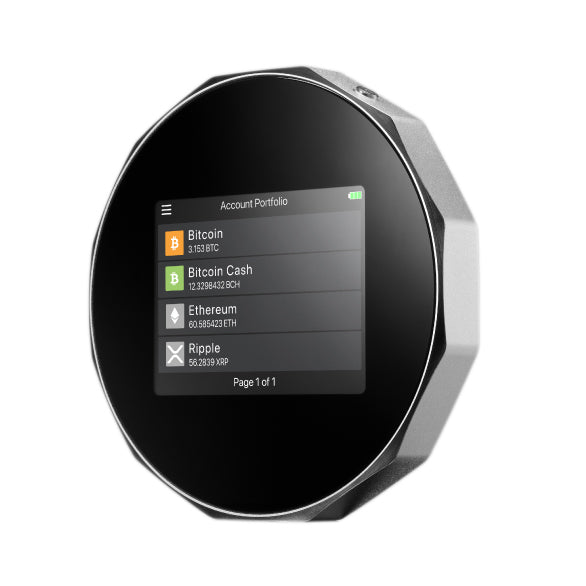 SecuX V20 | $139 | 1.2 | ||||||||
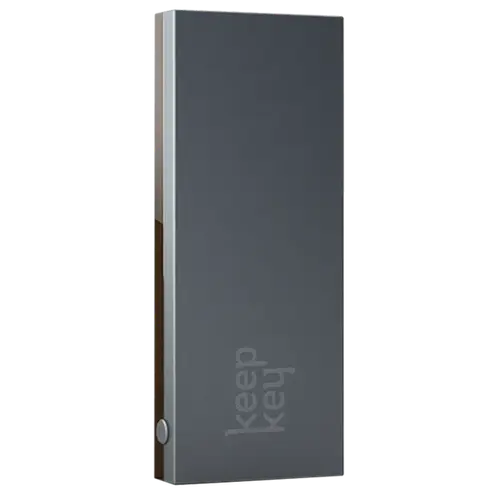 KeepKey | $49 | 1 |
What Do These Features Mean?
Bitcoin-Only
No altcoin support means a smaller codebase, fewer bugs, and less attack surface. Focus is a feature.
Open-Source
Anyone can audit the code. No trust required. If you cannot verify it, do not use it for serious money.
Air-Gapped
Never connects directly to a computer. Transactions happen via QR codes or SD card. Maximum isolation.
Secure Element
Dedicated chip that protects your keys from physical extraction. Essential for hardware security.
QR Mode
Communicate transaction data via camera instead of USB cables. Enables true air-gapped operation.
Multisig
Support for multi-signature setups requiring multiple keys to sign. Essential for serious security.
Passphrase
Support for a 25th word that creates hidden wallets. Adds plausible deniability and extra security.
Screen
Built-in display to verify transaction details before signing. Never trust your computer, verify on device.
Head-to-Head Comparisons
370+ detailed comparisons with clear verdicts
Bitcoin-Only Showdowns
Budget Comparisons (Under $100)
Switching from Ledger or Trezor?
Premium Tier ($150+)
Can't find your comparison? Use the battle tool below or search "X vs Y" in the header.
Not sure which wallet is right for you?
Skip the comparisons. Answer a few quick questions and get a personalized recommendation.
Take the Quiz→Wallet Battle Arena
Compare wallets head-to-head. Find out which is better.
Spoiler alert: Bitcoin-only always wins.
Choose your fighter
Choose your fighter
How I rank hardware wallets
Bitcoin-only comes first. A wallet that supports thousands of altcoins carries thousands of lines of code you do not need, and every one of them is a place for a bug. Every Bitcoin-only wallet on this page outranks every multi-coin wallet.
Among Bitcoin-only wallets, I rank open-source firmware above closed code, and air-gapped signing (QR codes or microSD) above USB and Bluetooth. Price and ease of use break the ties. The full scoring is on my methodology page.
Air-gapped vs USB wallets
An air-gapped wallet never plugs into your computer. You pass transactions back and forth as QR codes or on a microSD card, so malware on your computer has no direct line to the device. The Jade, Jade Plus, Passport, SeedSigner, and Krux all work this way.
A USB wallet like the BitBox02 is simpler to use and still keeps your keys on the device. It is a good choice if you would rather plug in a cable than scan QR codes.
Looking for a Ledger or Trezor alternative?
Ledger and Trezor are the two brands most people start with, and both ship multi-coin firmware. The closest Bitcoin-only replacement for a Ledger Nano is the Jade Plus. For a Trezor Safe 3 owner on a budget, the Jade costs about the same and adds air-gapped signing. My head-to-head comparisons below cover each matchup.
Frequently asked questions
What is the best Bitcoin hardware wallet in 2026?
The Blockstream Jade Plus. It is Bitcoin-only, open source, air-gapped with a built-in camera, and costs $149. The Foundation Passport ($199) is the runner-up.
What is the best cheap Bitcoin hardware wallet?
The Blockstream Jade at $79. It has a built-in camera for air-gapped signing and the same security model as the Jade Plus. SeedSigner is cheaper at about $50 in parts if you are willing to build it.
What is the best Ledger alternative?
The Jade Plus. It is Bitcoin-only and fully open source, and it signs over QR codes instead of USB or Bluetooth.
Do I need a secure element?
A physical secure element chip is one way to protect keys. The Jade and Jade Plus use a virtual secure element that keeps the code open, and SeedSigner stores no keys at all between uses. What matters is how the device protects your keys if it is stolen, and whether you can verify the code.
Should I buy a multi-coin hardware wallet?
For bitcoin, a multi-coin wallet only adds code and attack surface you gain nothing from. Every multi-coin wallet on my list scores below 3/10.