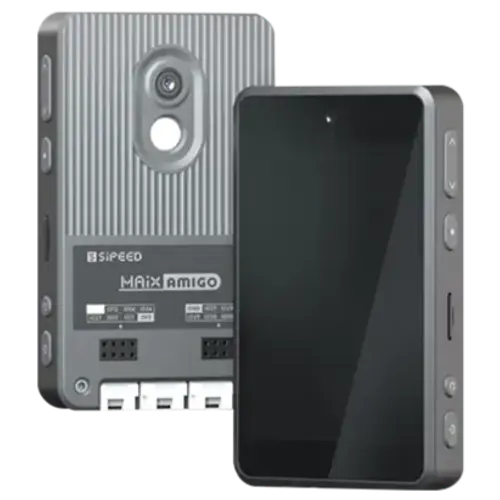
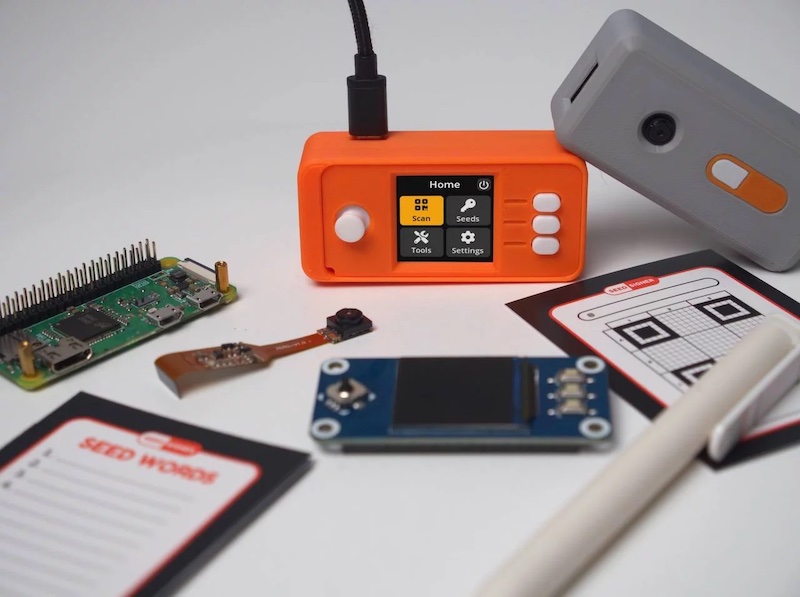
The DIY showdown for sovereignty maximalists. If you don't trust any company with your bitcoin security, these are your options. Both are stateless (no private keys stored), air-gapped, and fully open source. Neither is a product from a company. They're community-driven projects where you source hardware, flash firmware, and take full responsibility. SeedSigner pioneered this category in 2020. Krux expanded hardware support. Both support BIP-39 seed generation via dice rolls and integrate with Sparrow and Specter.
Buying Advice
Get SeedSigner for your first DIY device. The community support is unmatched. But for a less DIY approach, the Jade Plus offers similar security with way less effort.
The Bottom Line
SeedSigner wins for most users. It has stronger community documentation, more tutorials, and a larger user base. If you run into issues, help is easier to find. SeedSigner's reliance on the WiFi-less Raspberry Pi Zero 1.3 is a security feature. No wireless capabilities to worry about. Krux supports more hardware platforms, but that flexibility comes with more complexity.
How They Handle Security
The security model is where you should start any comparison. Everything else is just features.
- Krux: Stateless DIY signing device. Similar concept to SeedSigner but supports more hardware.
- SeedSigner: DIY Raspberry Pi-based signing device. Stateless - generates keys from seed each time.
Open-source on both sides. That's how it should be. Neither wallet asks you to trust a black box. The code is out there for anyone to audit.
How They Compare
The specs that matter for Bitcoin security.
| Feature | Krux | SeedSigner |
|---|---|---|
| Price | $40 | $50 |
| Bitcoin-Only | Yes | Yes |
| Open-Source | Yes | Yes |
| Air-Gapped | No | No |
| Secure Element | None (software security) | None (software security only) |
| Connection | QR codes only (air-gapped) | QR codes only (air-gapped) |
The Verdict
SeedSigner is the most trustworthy option if you're technical enough to build it. You control every component in the supply chain. The stateless design means there's literally nothing stored on the device between sessions. But it's not for everyone. Assembly requires comfort with electronics. There's no warranty or support. If you can handle that, SeedSigner is hard to beat at ~$50 in parts.
What SeedSigner Does Better
Best for: Technical users who want maximum transparency, DIY enthusiasts, Budget-conscious Bitcoiners, Those who trust no company.
Where Krux Falls Short
- DIY assembly required
- Less polished UX
- No commercial support
The Price Question
The price difference between these two is negligible. Don't let a few dollars drive a decision about how you secure your bitcoin. Compare the features.
Who Should Buy Which?
Budget-conscious? Krux costs less. Security-focused? Go with SeedSigner. New to self-custody? Either will work, but start with the one that keeps things simple.
Common Questions
Are Krux and SeedSigner Bitcoin-only?
Yes, both are Bitcoin-only wallets with no altcoin support.
Can I use my existing seed phrase?
Both wallets support standard BIP39 seed phrases. You can import your existing 12 or 24-word seed phrase from any compatible wallet.
Do Krux and SeedSigner support multisig?
Most modern hardware wallets support multisig setups. Check the individual reviews for specifics on each wallet's multisig implementation and supported coordinators.
Is Krux or SeedSigner better for beginners?
Both are straightforward to set up. SeedSigner is my overall recommendation. If you're new to hardware wallets, either one will work, but a Bitcoin-only wallet keeps things simpler.
Full Reviews
Compare SeedSigner to:
Was this helpful?