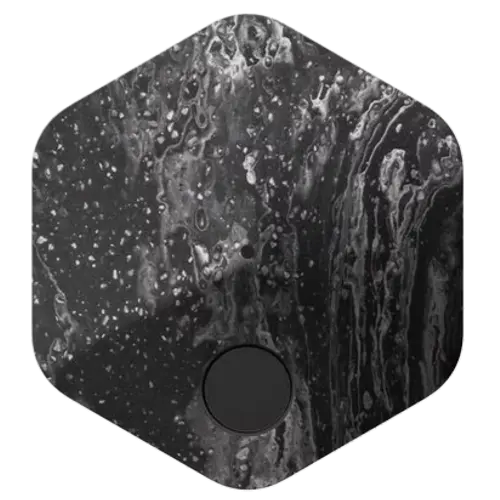
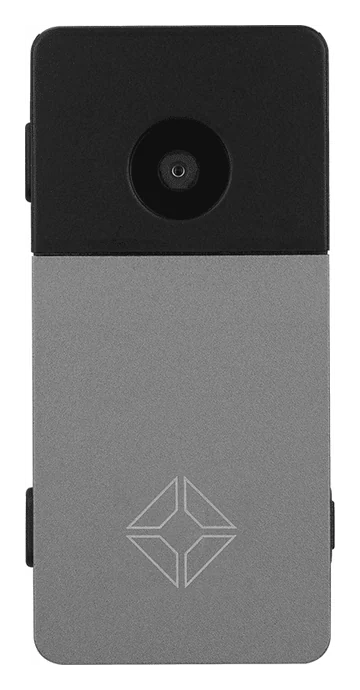
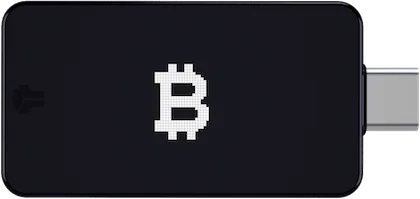
Two very different philosophies on making bitcoin accessible. Bitkey uses 2-of-3 multisig: one key on your phone, one on the hardware device, one on Block's servers. Any two keys sign transactions, which means you can recover your funds even if you lose a device. The Jade Plus is traditional single-sig. Your seed, your responsibility, no third party involved. Both are bitcoin-only. The question is how much sovereignty you're willing to trade for convenience.
Buying advice
Get the Jade Plus. Full sovereignty beats assisted custody. If you're worried about losing your seed phrase, learn better backup practices instead of trusting a third party.
The bottom line
The Jade Plus wins. Complete sovereignty. No company involved. Bitkey requires trusting Block with one of three keys. Block's current Bitkey adds an OLED touchscreen so you can verify on the device, but older units have no screen and make you verify on your phone. Bitkey recently added "chain code delegation" to limit what Block can see of your balances, but Block still holds one of the three keys and co-signs recovery and optional phone-only spending. The Jade Plus gives you full control with on-device verification.
Before you order, read how to buy a hardware wallet safely and whether hardware wallets can be hacked.
Blockstream Jade Plus's advantages
Best for: Security-focused Bitcoiners who want verifiable, auditable security, Users who value air-gapped operation without compromise, Those concerned about closed-source secure elements, Bitcoin maximalists who don't need altcoin support.
What holds Bitkey back
- Requires direct connection (potential attack vector)
- Relies on Block infrastructure
- Less sovereignty than others
Side-by-side comparison
The specs that matter for bitcoin security.
| Feature | Bitkey | Blockstream Jade Plus |
|---|---|---|
| Price | $250 | $149 |
| Bitcoin-Only | Yes | Yes |
| Open-Source | No | Yes |
| Air-Gapped | No | Yes |
| Secure element | Secure enclave (chip model not published) | Virtual Secure Element (no hardware SE, but cryptographically equivalent security without the black-box trust issues) |
| Connection | NFC | QR codes (fully air-gapped), Bluetooth, USB-C |
How they handle security
The security model is where you should start any comparison. Everything else is just features.
- Bitkey: 2-of-3 multisig with keys split between hardware device, mobile app, and Block server. Designed for recovery simplicity.
- Blockstream Jade Plus: Virtual Secure Element with blind oracle PIN verification. Your seed is never stored in extractable form. Uses a unique architecture where the PIN, device data, and Blockstream oracle combine to reconstruct the key only during signing.
One wallet lets you see every line of code. The other asks you to trust their word. Blockstream Jade Plus is fully open-source. Bitkey isn't. For bitcoin security, transparency should be the default, not the exception.
Blockstream Jade Plus supports air-gapped operation via QR codes. Your private keys never have to touch a networked device. Every USB cable, every Bluetooth connection is an attack surface you don't need.
My recommendation
The Jade Plus is my number two pick and the best hardware wallet you can buy ready to use. If you won't build a SeedSigner, start here. It hits the sweet spot between uncompromising security and actual usability. The air-gapped QR workflow is smooth, the screen is readable, and the open-source architecture means you're not trusting anyone's pinky promise. At $149, it undercuts the Passport while being more approachable. Buy it.
The price question
At $149, Blockstream Jade Plus costs $101 less than Bitkey and delivers a better experience. That's a good deal.
Market context
The hardware wallet market has matured. Bitkey and Blockstream Jade Plus represent two approaches to the same problem: keeping your bitcoin safe from everyone except you. The wallets that survive long-term will be the ones that take security seriously and respect the self-custody ethos.
Who should buy which?
Budget-conscious? Blockstream Jade Plus costs less. Security-focused? Go with Blockstream Jade Plus. New to self-custody? Either will work, but start with the one that keeps things simple.
Common questions
Which is better for a beginner, Bitkey or the Jade Plus?
Bitkey is easier at the start, and the Jade Plus is the better wallet. Bitkey is mobile-first with simple recovery through its 2-of-3 multisig. The Jade Plus is single-sig, so you own the backup. Both are bitcoin-only. My ratings are 9.7 for the Jade Plus and 8.5 for Bitkey.
Is Bitkey's $250 price worth it against the Jade Plus at $149?
Probably not. Bitkey costs $101 more than the Jade Plus. You pay for built-in recovery, an inheritance feature with a six-month waiting period, and a 2026 OLED touchscreen. The Jade Plus gives you air-gapped QR signing and no third party at all. Pay the premium only if easy recovery is your top need.
Who holds the keys in Bitkey compared with the Jade Plus?
With the Jade Plus, you hold the only key. With Bitkey, a 2-of-3 multisig splits keys across your phone, the hardware device, and Block's servers. Block's key cannot move your bitcoin alone, but you depend on Block's infrastructure for recovery. That is the sovereignty trade, and it is why the Jade Plus wins.
Can Bitkey or the Jade Plus sign air-gapped?
Only the Jade Plus. It signs by QR code through its built-in camera, so no cable or radio carries the transaction. Bitkey connects over NFC and needs its mobile app to work. For a setup that never touches a networked device, the Jade Plus is the one to choose.
Full reviews
Compare Bitkey to:
Compare Blockstream Jade Plus to:
Was this helpful?