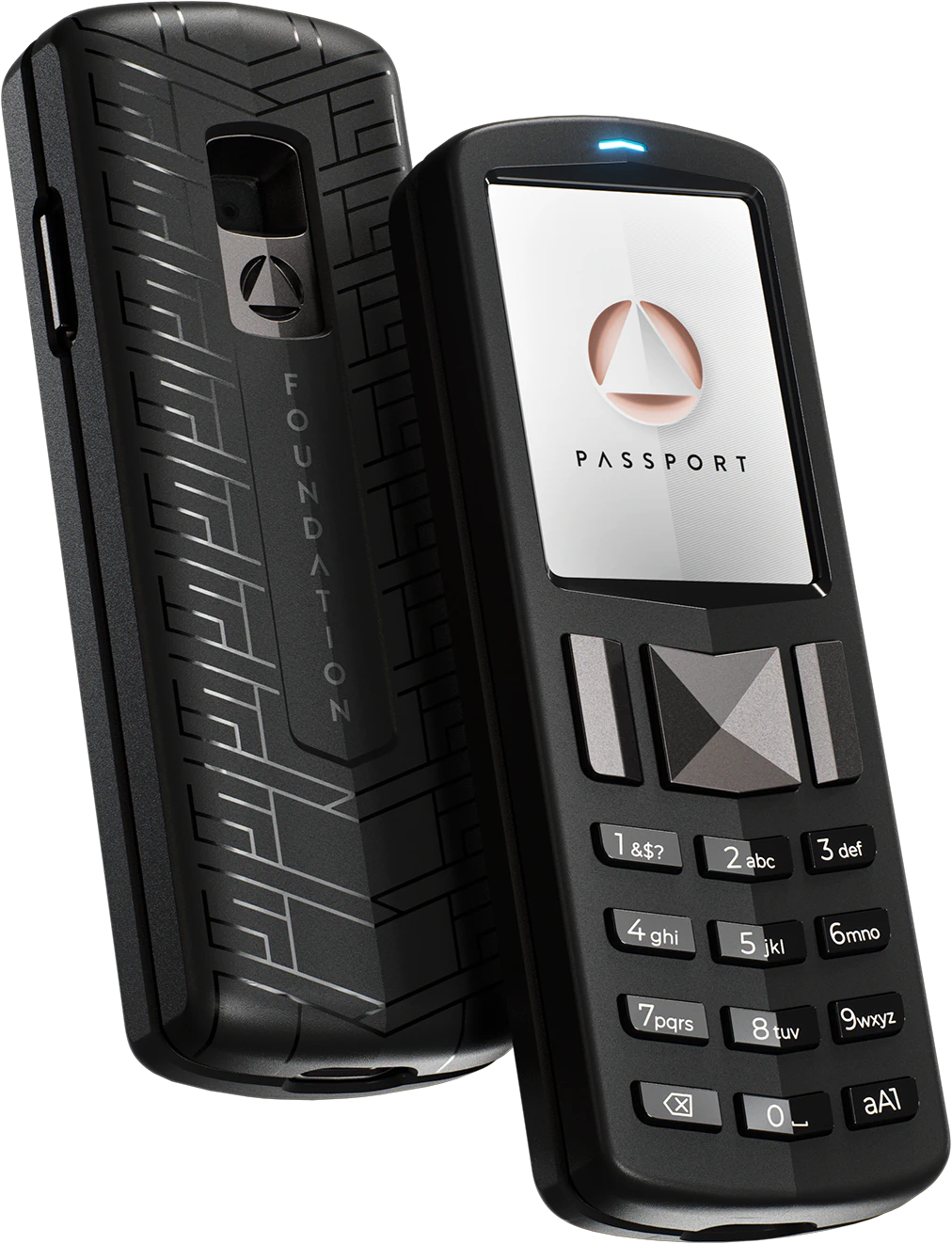
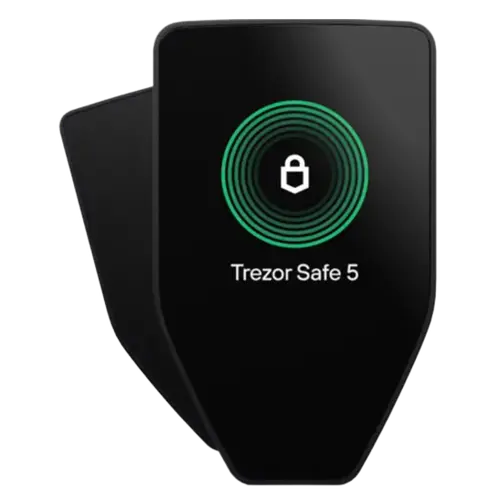
Foundation Passport does one thing: secure your bitcoin. Trezor Safe 5 tries to support thousands of tokens. Different philosophies, different risk profiles. Let me walk through it.
I got hands-on with both of these. Setup, daily use, edge cases. Let me walk you through what I learned.
The Bottom Line
Foundation Passport wins by virtue of being Bitcoin-only. Why would you trust your sats to a device cluttered with altcoin code?
Why Foundation Passport Wins
- Bitcoin-only focus (reduced attack surface)
- Fully open-source and auditable
- Air-gapped operation for maximum security
- Beautiful design and build
Best for: Users who want premium build quality, Those who value air-gapped + open-source combination, Bitcoin-only maximalists with budget for premium device, Users who prefer physical controls over touchscreens.
Trezor Safe 5's Weaknesses
- Multi-coin support introduces unnecessary risk
- Requires direct connection (potential attack vector)
- Supports altcoins (attack surface)
- Expensive for what it is
- No air-gap option
The core issue: Trezor Safe 5 supports altcoins. For serious Bitcoin storage, that's a liability, not a feature.
Side-by-Side Comparison
The specs that matter for Bitcoin security.
| Feature | Foundation Passport | Trezor Safe 5 |
|---|---|---|
| Price | $199 | $129 |
| Bitcoin-Only | Yes | No |
| Open-Source | Yes | No |
| Air-Gapped | Yes | No |
| Secure Element | ATECC608A | Optiga Trust M |
| Connection | QR codes (air-gapped), MicroSD | USB-C |
Security Architecture
The security model is where you should start any comparison. Everything else is just features.
- Foundation Passport: Open-source with secure element. Premium build quality.
- Trezor Safe 5: Secure element with color touchscreen and haptic feedback.
Foundation Passport publishes everything. Full open-source firmware that anyone can audit, build, and verify. Trezor Safe 5 keeps things closer to the chest. When it comes to securing your bitcoin, I want to verify, not trust.
Foundation Passport supports air-gapped operation via QR codes. Your private keys never have to touch a networked device. Every USB cable, every Bluetooth connection is an attack surface you don't need.
My Recommendation
The Passport is the premium choice and it knows it. The build quality justifies part of the $199 price tag. The open-source firmware and air-gapped capability put it in the same tier as the Jade Plus. But it's larger and heavier. If you want something that feels substantial and looks good on a desk, get the Passport. If portability matters, the Jade Plus does air-gapped better in a smaller package.
On Altcoin Support
Trezor Safe 5 ships with altcoin code riding along. That's extra attack surface with zero benefit for your bitcoin. Foundation Passport keeps the firmware focused on what matters.
What You Pay
Trezor Safe 5 costs less at $129, but the $70 you'd save isn't worth the trade-offs. Foundation Passport earns its price tag.
Common Questions
Is Foundation Passport or Trezor Safe 5 better for beginners?
Both are straightforward to set up. Foundation Passport is my overall recommendation. If you're new to hardware wallets, either one will work, but a Bitcoin-only wallet keeps things simpler.
Which wallet is more secure, Foundation Passport or Trezor Safe 5?
Foundation Passport has the edge on security. Bitcoin-only firmware means a smaller codebase and fewer potential vulnerabilities.
Can I store other cryptocurrencies on these wallets?
Trezor Safe 5 supports altcoins. Foundation Passport is Bitcoin-only. I recommend the Bitcoin-only option.
Which should I buy, Foundation Passport or Trezor Safe 5?
Foundation Passport. It's Bitcoin-only, which means cleaner code and a smaller attack surface.
Full Reviews
Compare Foundation Passport to:
Compare Trezor Safe 5 to:
Was this helpful?