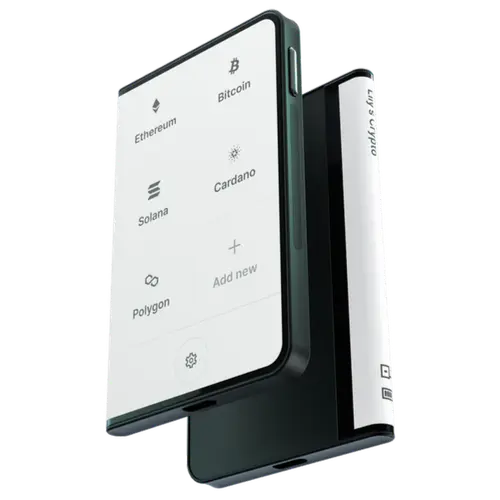
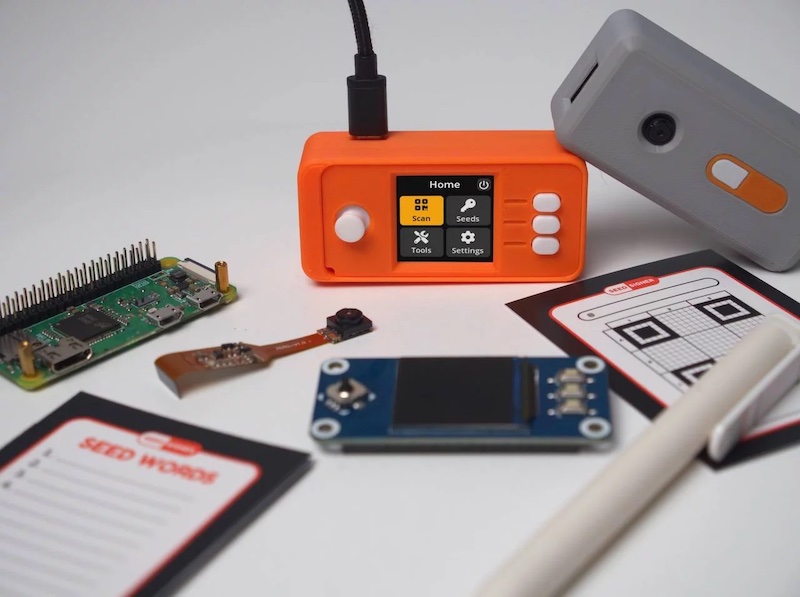
One of these wallets keeps it clean with Bitcoin-only firmware. The other loads up altcoin code. I'll let you guess which approach I think is smarter, but I'll still give you the honest comparison.
I've used both of these wallets. I know how they feel in your hand, how the software works, and where they cut corners. Here's the honest breakdown.
Ledger Stax: Security Incidents You Should Know
These aren't hypothetical risks. They happened. When a company has multiple critical security incidents, you have to ask: why would you trust them with your bitcoin?
The Bottom Line
SeedSigner wins by virtue of being Bitcoin-only. Why would you trust your sats to a device cluttered with altcoin code?
Why SeedSigner Wins
- Bitcoin-only focus (reduced attack surface)
- Fully open-source and auditable
- 100% open-source hardware and software
- Stateless: no keys stored on device
Best for: Technical users who want maximum transparency, DIY enthusiasts, Budget-conscious Bitcoiners, Those who trust no company.
Ledger Stax's Weaknesses
- Multi-coin support introduces unnecessary risk
- Absurdly expensive
- Same closed-source issues
- Style over substance
- Delayed launch disaster
The core issue: Ledger Stax supports altcoins. For serious Bitcoin storage, that's a liability, not a feature.
Side-by-Side Comparison
The specs that matter for Bitcoin security.
| Feature | Ledger Stax | SeedSigner |
|---|---|---|
| Price | $399 | $50 |
| Bitcoin-Only | No | Yes |
| Open-Source | No | Yes |
| Air-Gapped | No | No |
| Secure Element | Closed-source | None (software security only) |
| Connection | USB-C, Bluetooth, Wireless Charging | QR codes only (air-gapped) |
Under the Hood: Security
Let's get into what actually matters: how these wallets protect your bitcoin.
- Ledger Stax: Closed-source secure element with e-ink display.
- SeedSigner: DIY Raspberry Pi-based signing device. Stateless - generates keys from seed each time.
SeedSigner publishes everything. Full open-source firmware that anyone can audit, build, and verify. Ledger Stax keeps things closer to the chest. When it comes to securing your bitcoin, I want to verify, not trust.
My Take
SeedSigner is the most trustworthy option if you're technical enough to build it. You control every component in the supply chain. The stateless design means there's literally nothing stored on the device between sessions. But it's not for everyone. Assembly requires comfort with electronics. There's no warranty or support. If you can handle that, SeedSigner is hard to beat at ~$50 in parts.
On Altcoin Support
Ledger Stax loads firmware for tokens nobody uses. SeedSigner runs Bitcoin-only code. Less code, smaller attack surface, fewer things that can go wrong. It's not complicated.
Price & Value
SeedSigner undercuts Ledger Stax by $349 and still wins on the merits. $50 for a better wallet? Easy call.
Market Context
Hardware wallets aren't going away. As more people realize exchanges aren't safe, devices like Ledger Stax and SeedSigner become more important. The question isn't whether to self-custody. It's how.
Common Questions
Do Ledger Stax and SeedSigner support multisig?
Most modern hardware wallets support multisig setups. Check the individual reviews for specifics on each wallet's multisig implementation and supported coordinators.
Is Ledger Stax or SeedSigner better for beginners?
Both are straightforward to set up. SeedSigner is my overall recommendation. If you're new to hardware wallets, either one will work, but a Bitcoin-only wallet keeps things simpler.
Which wallet is more secure, Ledger Stax or SeedSigner?
SeedSigner has the edge on security. Bitcoin-only firmware means a smaller codebase and fewer potential vulnerabilities.
Are Ledger Stax and SeedSigner Bitcoin-only?
SeedSigner is Bitcoin-only. Ledger Stax supports multiple cryptocurrencies.
Full Reviews
Compare Ledger Stax to:

Compare SeedSigner to:
Was this helpful?