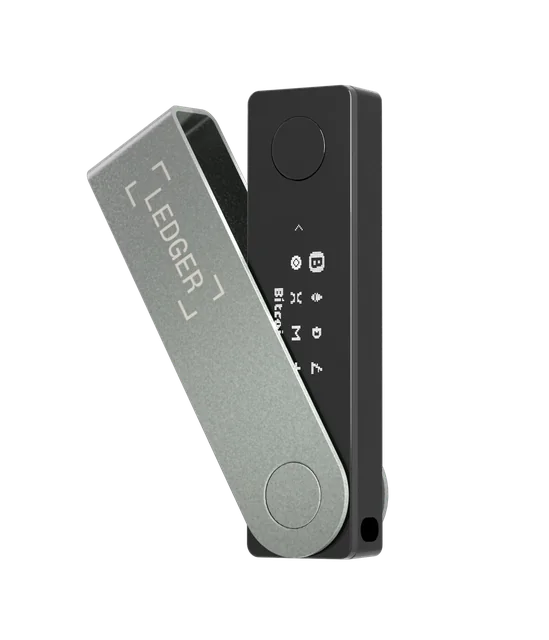
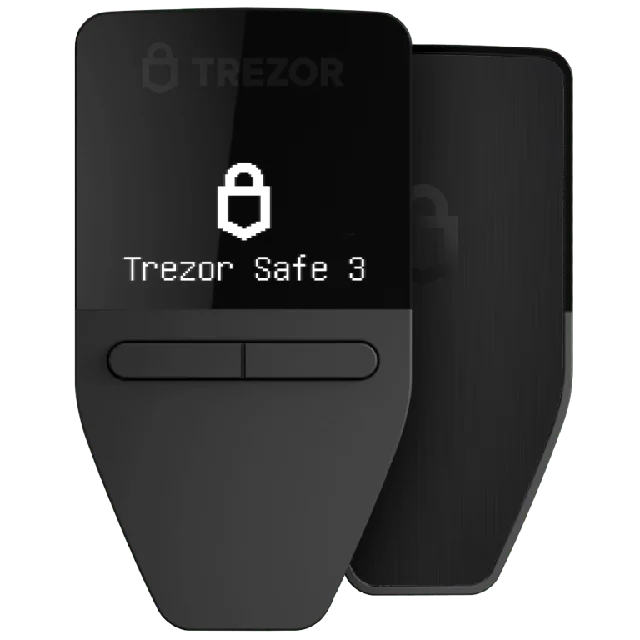
The mainstream hardware wallet showdown that most people are choosing between. Neither would be my first recommendation, but if you're set on one of these two, here's what matters. Both support thousands of cryptocurrencies. Both have companion apps. The key difference: Trezor's firmware is fully open source. Anyone can audit it. Ledger's secure element is proprietary and NDA-protected. Trezor Safe 3 added a secure element (addressing historical criticism). Ledger has always used secure elements but keeps the low-level code closed, so the public can't audit it.
Buying advice
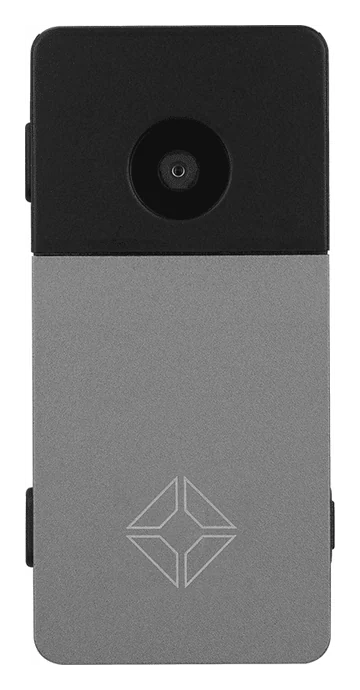
If you must choose between these: Trezor Safe 3. But get a Jade Plus instead. It costs more than the Trezor, but it is bitcoin-only, air-gapped, and fully open source.
Ledger Nano X: security incidents you should know
July 2020: Customer database breach
Ledger found and closed the breach in July 2020. The stolen database was dumped publicly in December 2020: more than 1 million email addresses and about 272,000 records with names, postal addresses, and phone numbers. This led to targeted phishing attacks and even physical threats against customers.
May 2023: Ledger Recover controversy
Ledger announced a seed recovery service that revealed their firmware has always had the capability to extract seed phrases. This contradicted years of marketing claiming seeds never leave the device.
December 2023: Connect Kit supply chain attack
Ledger's JavaScript library was compromised, and users of affected dApps who signed the malicious transactions had their wallets drained.
January 2025: Co-founder kidnapped for ransom
Ledger co-founder David Balland was kidnapped from his home in central France and held for a large cryptocurrency ransom. Police freed him the next day.
April 2025: Physical phishing letters
Ledger owners received printed letters with Ledger branding that demanded a "mandatory wallet validation" and asked them to scan a QR code and enter their seed phrase. Ledger confirmed the letters were a scam. The trader who first posted one said the mailing list came from a leaked customer database.
January 2026: Global-e customer data exposure
Global-e, the company that runs checkout on Ledger.com, disclosed in January 2026 that attackers had accessed order records. Names, contact details, and order details for Ledger customers were exposed. Ledger says seed phrases and funds were not affected, but every leak like this feeds more phishing and puts buyers' home addresses in criminal hands again.
October 2026: Implanted devices sold through a reseller
Attackers opened genuine Ledger devices, added a hidden implant that captured the 24-word seed phrase during setup and sent it out over a cellular connection, then put the devices back on sale through a reseller in Southeast Asia. Ledger confirmed a hardware implant attack and blames the distribution channel, saying it found no flaw in its chip, operating system, or servers. Ledger named the reseller, CryptoBilis, and asked it to stop selling. The cellular exfiltration detail comes from outside researchers, not from Ledger. On-chain researchers estimated losses of up to $93.2 million across more than 300 wallets, a figure Ledger says it has not verified.
These aren't hypothetical risks. They happened. When a company has multiple critical security incidents, you have to ask: why would you trust them with your bitcoin?
The bottom line
Trezor Safe 3 wins between these two. Open-source firmware is auditable. Researchers can verify security claims. Ledger's 2020 data breach exposed customer addresses. The 2023 Recover feature proved their firmware can extract seeds. Trezor's January 2024 support ticket leak exposed names and email addresses of up to 66,000 users, so neither brand has a clean record. But neither would be my first choice. Both support altcoins by default, which adds attack surface. The Jade Plus is better than both.
Trezor Safe 3's advantages
Best for: Users who value open-source but want a secure element, Budget-conscious buyers, Those who prefer established brands, Multi-coin holders who want some transparency.
What holds Ledger Nano X back
The core issue: Ledger Nano X supports altcoins. For serious bitcoin storage, that's a liability, not a feature.
How they compare
The specs that matter for bitcoin security.
| Feature | Ledger Nano X | Trezor Safe 3 |
|---|---|---|
| Price | $99 | $59 |
| Bitcoin-Only | No | No |
| Open-Source | No | Yes |
| Air-Gapped | No | No |
| Secure element | ST33J2M0 (closed-source, same family used in passports and banking) | Optiga Trust M (first Trezor with SE, partially open) |
| Connection | USB-C, Bluetooth | USB-C |
How they handle security
Let's get into what actually matters: how these wallets protect your bitcoin.
- Ledger Nano X: Closed-source secure element (ST33J2M0). Firmware is proprietary and cannot be independently audited.
- Trezor Safe 3: Open-source firmware with new secure element. Trezor pioneered open-source hardware wallets but Safe 3 adds a secure element for the first time.
One wallet lets you see every line of code. The other asks you to trust their word. Trezor Safe 3 is fully open-source. Ledger Nano X isn't. For bitcoin security, transparency should be the default, not the exception.
My recommendation
The Trezor Safe 3 is the best Trezor ever made, which isn't saying much if you're bitcoin-only. The new secure element fixes the glaring physical security hole. The open-source firmware is legitimate. But the altcoin support means unnecessary code complexity. If you absolutely must have a Trezor, get this one. But a Jade for $20 more does bitcoin better.
On altcoin support
Both Ledger Nano X and Trezor Safe 3 support altcoins. Both carry unnecessary code complexity. For pure bitcoin storage, there are cleaner options with bitcoin-only firmware.
What you pay
Trezor Safe 3 is $40 cheaper at $59 versus Ledger Nano X's $99. And it happens to be the better wallet too.
What people ask
Which is safer, the Ledger Nano X or the Trezor Safe 3?
The Trezor Safe 3, narrowly, because its firmware is open source and auditable. The Nano X's secure element code is closed, and Ledger's 2023 Recover feature showed its firmware can extract seeds. Neither record is clean: Trezor had a support portal breach in January 2024 and a ShipMonk breach in August 2026.
Is the Safe 3 really $40 cheaper?
Yes. The Safe 3 costs $59 and the Nano X $99. The Safe 3 has a smaller 0.96" OLED against 1.1" and no Bluetooth, but it brings an Optiga Trust M secure element and open-source firmware. This site rates the Safe 3 2.8 and the Nano X 1.3, and both rate low because it favors bitcoin-only wallets.
Does either come in a bitcoin-only version?
The Safe 3 does. Trezor sells a bitcoin-only edition at the same $59 price, running bitcoin-only firmware. The Nano X is listed here as a multi-coin device that supports thousands of assets. If you buy the Safe 3, pick the bitcoin-only edition so altcoin code never runs on it.
Which one is better with a phone?
The Nano X. It has Bluetooth and a mobile app, while the Safe 3 connects only by USB-C and has no battery. That convenience adds a wireless attack surface, and neither device can sign air-gapped. For phone use without a live connection, the Jade Plus signs by QR code.
Full reviews
Compare Ledger Nano X to:
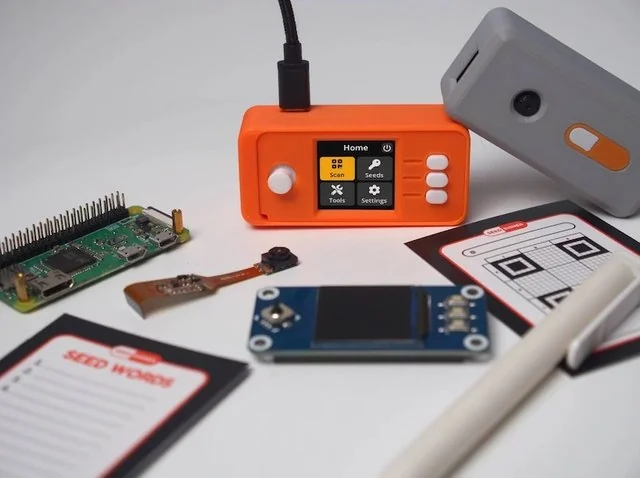
Compare Trezor Safe 3 to:
Was this helpful?