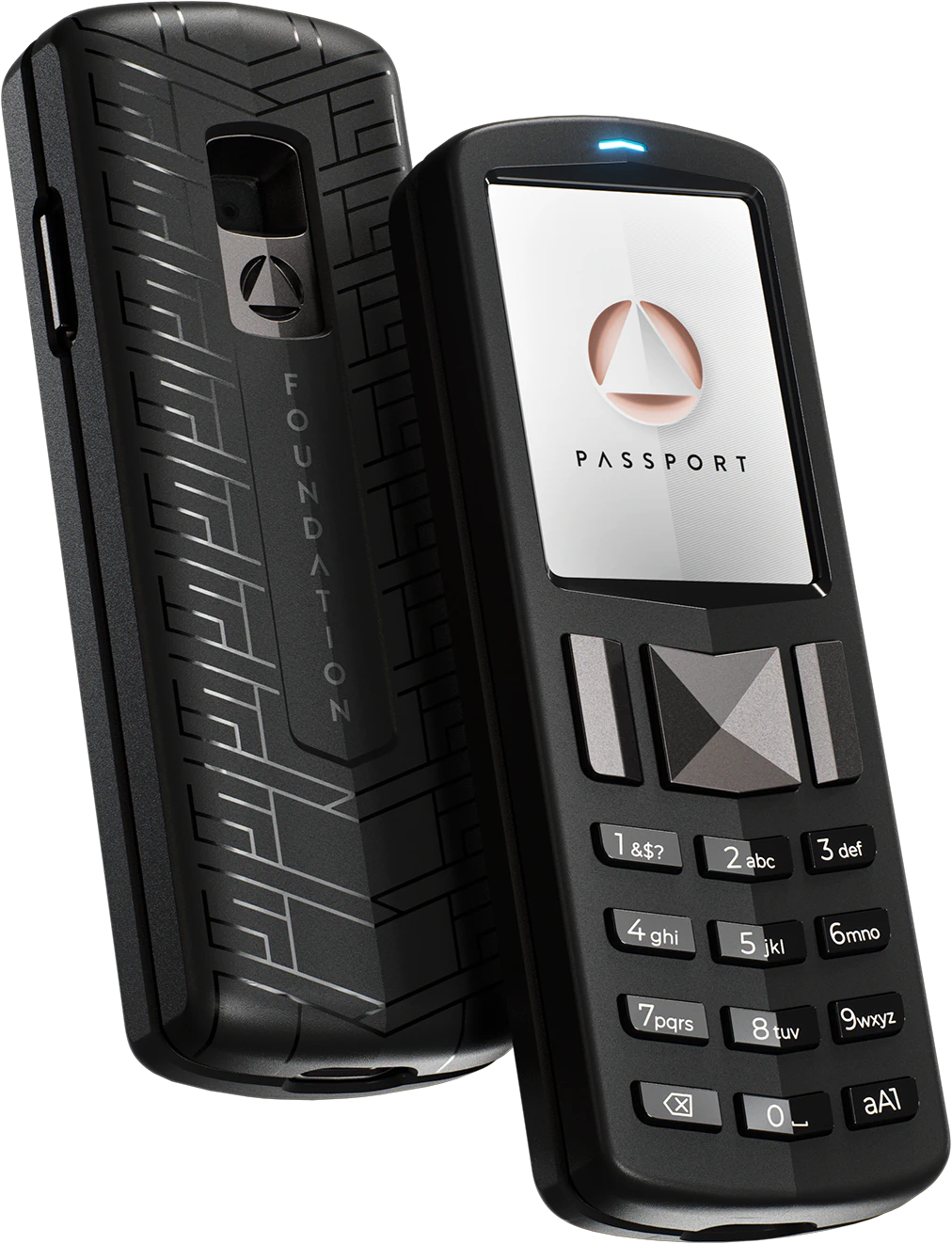
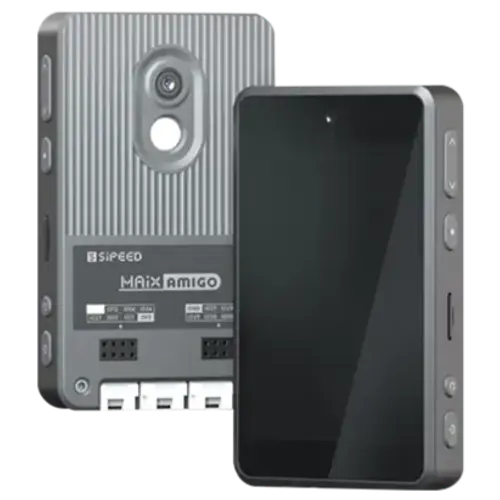
Good news: you're looking at two wallets that don't waste firmware on altcoin garbage. Bad news: you still have to pick one. Here's how they stack up.
I've tested both of these wallets and formed opinions the old-fashioned way: by actually using them. Here's what stood out.
The Bottom Line
Both are solid Bitcoin-only choices, but Foundation Passport edges out the competition with superior features and community trust.
What Foundation Passport Does Better
- Both are Bitcoin-only (good choice either way)
- Air-gapped operation for maximum security
- Beautiful design and build
- Fully open-source
Best for: Users who want premium build quality, Those who value air-gapped + open-source combination, Bitcoin-only maximalists with budget for premium device, Users who prefer physical controls over touchscreens.
Where Krux Falls Short
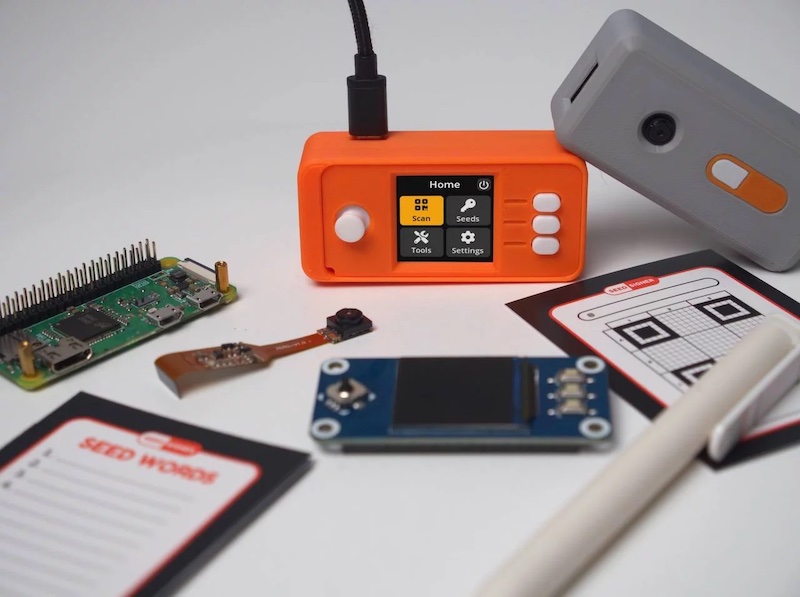
Requires direct connection (potential attack vector). DIY assembly required. Less polished UX. No commercial support.
How They Compare
The specs that matter for Bitcoin security.
| Feature | Foundation Passport | Krux |
|---|---|---|
| Price | $199 | $40 |
| Bitcoin-Only | Yes | Yes |
| Open-Source | Yes | Yes |
| Air-Gapped | Yes | No |
| Secure Element | ATECC608A | None (software security) |
| Connection | QR codes (air-gapped), MicroSD | QR codes only (air-gapped) |
Under the Hood: Security
Let's get into what actually matters: how these wallets protect your bitcoin.
- Foundation Passport: Open-source with secure element. Premium build quality.
- Krux: Stateless DIY signing device. Similar concept to SeedSigner but supports more hardware.
Both wallets are open-source. Good. That means you can verify the code yourself, or rely on the security researchers who already have. This is the baseline for serious Bitcoin storage.
Foundation Passport supports air-gapped operation via QR codes. Your private keys never have to touch a networked device. Every USB cable, every Bluetooth connection is an attack surface you don't need.
My Recommendation
The Passport is the premium choice and it knows it. The build quality justifies part of the $199 price tag. The open-source firmware and air-gapped capability put it in the same tier as the Jade Plus. But it's larger and heavier. If you want something that feels substantial and looks good on a desk, get the Passport. If portability matters, the Jade Plus does air-gapped better in a smaller package.
The Price Question
Krux is $159 cheaper at $40 versus Foundation Passport's $199. But cheaper doesn't always mean better.
Market Context
Hardware wallets aren't going away. As more people realize exchanges aren't safe, devices like Foundation Passport and Krux become more important. The question isn't whether to self-custody. It's how.
What People Ask
Which should I buy, Foundation Passport or Krux?
Foundation Passport. It's Bitcoin-only, which means cleaner code and a smaller attack surface.
Are Foundation Passport and Krux Bitcoin-only?
Yes, both are Bitcoin-only wallets with no altcoin support.
Can I use my existing seed phrase?
Both wallets support standard BIP39 seed phrases. You can import your existing 12 or 24-word seed phrase from any compatible wallet.
Can I store other cryptocurrencies on these wallets?
No. Both are Bitcoin-only, which I consider a feature. Less code means fewer vulnerabilities.
Full Reviews
Compare Foundation Passport to:
Compare Krux to:
Was this helpful?