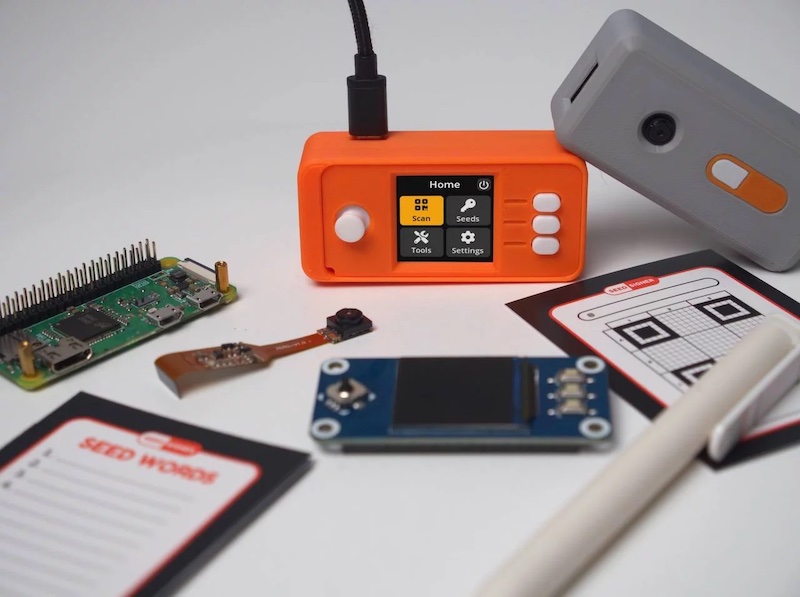
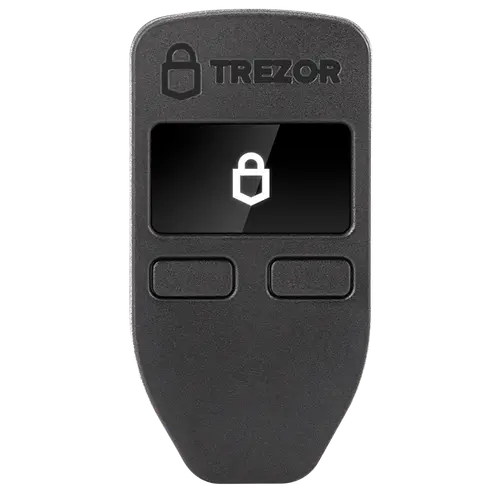
SeedSigner runs Bitcoin-only firmware. Trezor Model One decided to support altcoins too. One of these approaches is correct. But I'll lay out the full picture so you can see for yourself.
I've tested both of these wallets and formed opinions the old-fashioned way: by actually using them. Here's what stood out.
The Bottom Line
SeedSigner wins by virtue of being Bitcoin-only. Why would you trust your sats to a device cluttered with altcoin code?
Feature Comparison
The specs that matter for Bitcoin security.
| Feature | SeedSigner | Trezor Model One |
|---|---|---|
| Price | $50 | $49 |
| Bitcoin-Only | Yes | No |
| Open-Source | Yes | No |
| Air-Gapped | No | No |
| Secure Element | None (software security only) | None |
| Connection | QR codes only (air-gapped) | USB |
How They Handle Security
The security model is where you should start any comparison. Everything else is just features.
- SeedSigner: DIY Raspberry Pi-based signing device. Stateless - generates keys from seed each time.
- Trezor Model One: Software security without dedicated secure element. The pioneer.
SeedSigner is open-source. Trezor Model One uses proprietary firmware. I've said it before: "verifiable source" is not the same as open-source. One lets you audit. The other lets you look but not build. I trust the approach where the community has full access.
On Altcoin Support
Trezor Model One loads firmware for tokens nobody uses. SeedSigner runs Bitcoin-only code. Less code, smaller attack surface, fewer things that can go wrong. It's not complicated.
SeedSigner's Advantages
Best for: Technical users who want maximum transparency, DIY enthusiasts, Budget-conscious Bitcoiners, Those who trust no company.
Trezor Model One's Weaknesses
Multi-coin support introduces unnecessary risk. No secure element. Multi-coin bloat. Dated design. Small screen.
The core issue: Trezor Model One supports altcoins. For serious Bitcoin storage, that's a liability, not a feature.
The Verdict
SeedSigner is the most trustworthy option if you're technical enough to build it. You control every component in the supply chain. The stateless design means there's literally nothing stored on the device between sessions. But it's not for everyone. Assembly requires comfort with electronics. There's no warranty or support. If you can handle that, SeedSigner is hard to beat at ~$50 in parts.
The Price Question
The price difference between these two is negligible. Don't let a few dollars drive a decision about how you secure your bitcoin. Compare the features.
Market Context
Hardware wallets aren't going away. As more people realize exchanges aren't safe, devices like SeedSigner and Trezor Model One become more important. The question isn't whether to self-custody. It's how.
Frequently Asked Questions
Which should I buy, SeedSigner or Trezor Model One?
SeedSigner. It's Bitcoin-only, which means cleaner code and a smaller attack surface.
Is the price difference worth it?
The price difference is small. Focus on security features, not the $1 difference.
Can I store other cryptocurrencies on these wallets?
Trezor Model One supports altcoins. SeedSigner is Bitcoin-only. I recommend the Bitcoin-only option.
Is SeedSigner or Trezor Model One better for beginners?
Both are straightforward to set up. SeedSigner is my overall recommendation. If you're new to hardware wallets, either one will work, but a Bitcoin-only wallet keeps things simpler.
Full Reviews
Compare SeedSigner to:
Compare Trezor Model One to:
Was this helpful?