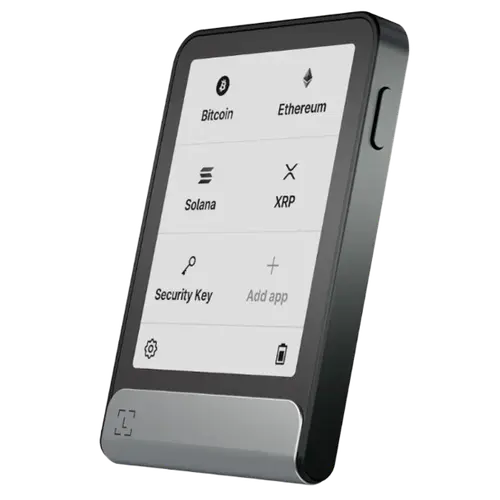
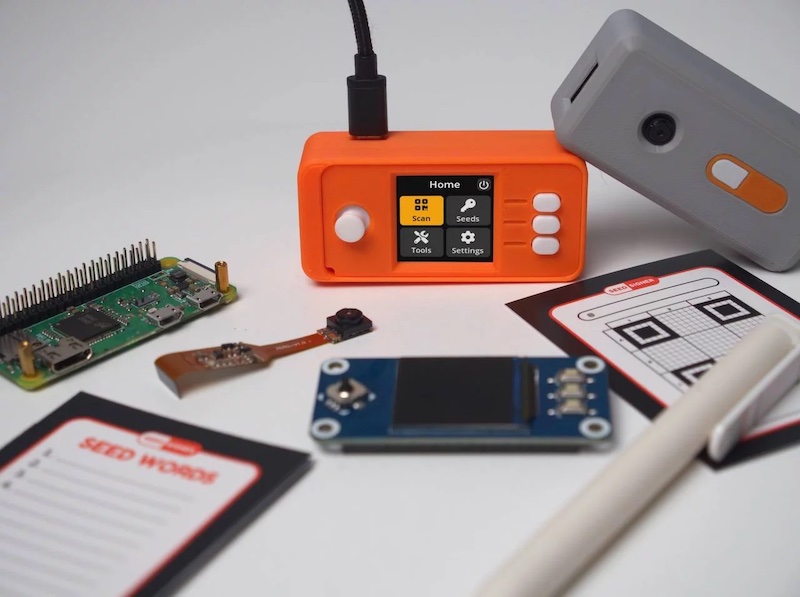
SeedSigner does one thing: secure your bitcoin. Ledger Flex tries to support thousands of tokens. Different philosophies, different risk profiles. Let me walk through it.
I've used both of these wallets. I know how they feel in your hand, how the software works, and where they cut corners. Here's the honest breakdown.
The Bottom Line
SeedSigner wins by virtue of being Bitcoin-only. Why would you trust your sats to a device cluttered with altcoin code?
How They Compare
The specs that matter for Bitcoin security.
| Feature | Ledger Flex | SeedSigner |
|---|---|---|
| Price | $249 | $50 |
| Bitcoin-Only | No | Yes |
| Open-Source | No | Yes |
| Air-Gapped | No | No |
| Secure Element | Closed-source | None (software security only) |
| Connection | USB-C, Bluetooth, Wireless Charging | QR codes only (air-gapped) |
How They Handle Security
Let's get into what actually matters: how these wallets protect your bitcoin.
- Ledger Flex: Closed-source secure element with e-ink touchscreen.
- SeedSigner: DIY Raspberry Pi-based signing device. Stateless - generates keys from seed each time.
SeedSigner is open-source. Ledger Flex uses proprietary firmware. I've said it before: "verifiable source" is not the same as open-source. One lets you audit. The other lets you look but not build. I trust the approach where the community has full access.
On Altcoin Support
Ledger Flex supports altcoins. Every line of altcoin code is code that could have a vulnerability. It's code that doesn't serve your bitcoin. SeedSigner is Bitcoin-only: focused firmware for a focused purpose.
SeedSigner's Advantages
Bitcoin-only focus (reduced attack surface). Fully open-source and auditable. 100% open-source hardware and software. Stateless: no keys stored on device.
Best for: Technical users who want maximum transparency, DIY enthusiasts, Budget-conscious Bitcoiners, Those who trust no company.
Where Ledger Flex Falls Short
Multi-coin support introduces unnecessary risk. Still expensive. Closed-source secure element. Multi-coin bloat. Ledger trust issues remain.
The core issue: Ledger Flex supports altcoins. For serious Bitcoin storage, that's a liability, not a feature.
My Recommendation
SeedSigner is the most trustworthy option if you're technical enough to build it. You control every component in the supply chain. The stateless design means there's literally nothing stored on the device between sessions. But it's not for everyone. Assembly requires comfort with electronics. There's no warranty or support. If you can handle that, SeedSigner is hard to beat at ~$50 in parts.
What You Pay
At $50, SeedSigner costs $199 less than Ledger Flex and delivers a better experience. That's a good deal.
Who Should Buy Which?
Budget-conscious? SeedSigner costs less. Security-focused? Go with SeedSigner. New to self-custody? Either will work, but start with the one that keeps things simple.
Frequently Asked Questions
Is Ledger Flex or SeedSigner better for beginners?
Both are straightforward to set up. SeedSigner is my overall recommendation. If you're new to hardware wallets, either one will work, but a Bitcoin-only wallet keeps things simpler.
Do Ledger Flex and SeedSigner support multisig?
Most modern hardware wallets support multisig setups. Check the individual reviews for specifics on each wallet's multisig implementation and supported coordinators.
Can I store other cryptocurrencies on these wallets?
Ledger Flex supports altcoins. SeedSigner is Bitcoin-only. I recommend the Bitcoin-only option.
Is the price difference worth it?
The winner is also cheaper. Sometimes that happens.
Full Reviews
Compare Ledger Flex to:

Compare SeedSigner to:
Was this helpful?