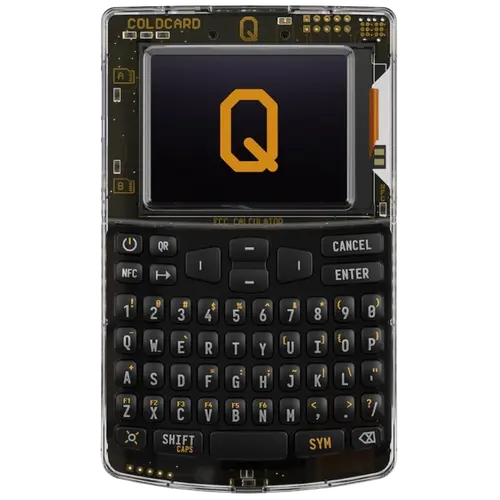
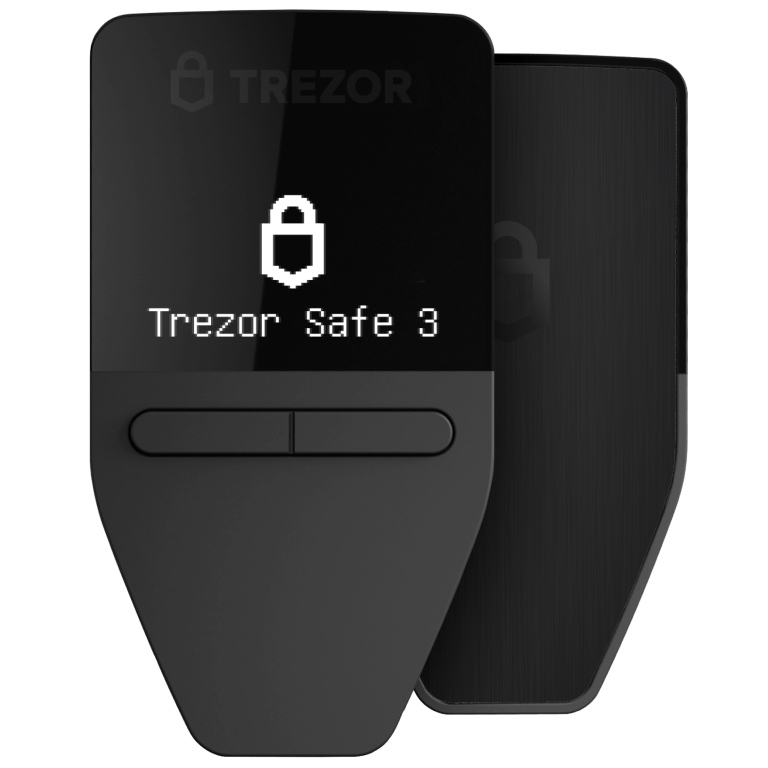
One of these wallets keeps it clean with Bitcoin-only firmware. The other loads up altcoin code. I'll let you guess which approach I think is smarter, but I'll still give you the honest comparison.
I've used both of these wallets. I know how they feel in your hand, how the software works, and where they cut corners. Here's the honest breakdown.
The Bottom Line
Coldcard Q wins by virtue of being Bitcoin-only. Why would you trust your sats to a device cluttered with altcoin code?
Security Architecture
Let's get into what actually matters: how these wallets protect your bitcoin.
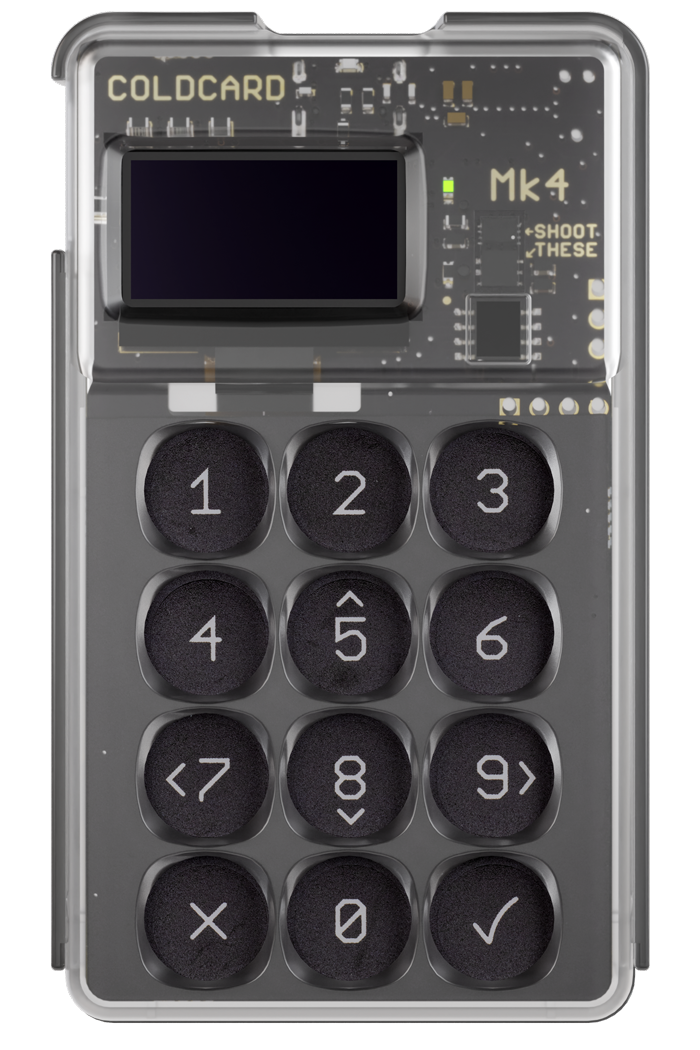
- Coldcard Q: Dual secure elements with extensive anti-tampering. QWERTY keyboard for easier passphrase entry.
- Trezor Safe 3: Open-source firmware with new secure element. Trezor pioneered open-source hardware wallets but Safe 3 adds a secure element for the first time.
Trezor Safe 3 is open-source. Coldcard Q uses proprietary firmware. I've said it before: "verifiable source" is not the same as open-source. One lets you audit. The other lets you look but not build. I trust the approach where the community has full access.
Coldcard Q supports air-gapped operation via QR codes. Your private keys never have to touch a networked device. Every USB cable, every Bluetooth connection is an attack surface you don't need.
How They Compare
The specs that matter for Bitcoin security.
| Feature | Coldcard Q | Trezor Safe 3 |
|---|---|---|
| Price | $249 | $59 |
| Bitcoin-Only | Yes | No |
| Open-Source | No | Yes |
| Air-Gapped | Yes | No |
| Secure Element | Dual ATECC608B secure elements | Optiga Trust M (first Trezor with SE, partially open) |
| Connection | MicroSD (air-gapped), USB-C, NFC, QR codes | USB-C |
My Take
The Coldcard Q is the enthusiast's choice. At $249, it's not cheap. But if you use passphrases regularly, the keyboard alone justifies the upgrade from Mk4. Add QR code support and NFC for PSBTs, and you have the most feature-complete Coldcard ever. The large form factor won't fit in your pocket, but it'll sit nicely on a desk. For power users who want maximum flexibility, this is it.
What Coldcard Q Does Better
Best for: Users who frequently use passphrases, Those who found Mk4 keyboard tedious, Security-focused Bitcoiners who want latest features, Power users who need maximum flexibility.
Trezor Safe 3's Weaknesses
The core issue: Trezor Safe 3 supports altcoins. For serious Bitcoin storage, that's a liability, not a feature.
On Altcoin Support
Trezor Safe 3 ships with altcoin code riding along. That's extra attack surface with zero benefit for your bitcoin. Coldcard Q keeps the firmware focused on what matters.
Price & Value
Trezor Safe 3 is $190 cheaper at $59 versus Coldcard Q's $249. But cheaper doesn't always mean better.
Market Context
The hardware wallet market has matured. Coldcard Q and Trezor Safe 3 represent two approaches to the same problem: keeping your bitcoin safe from everyone except you. The wallets that survive long-term will be the ones that take security seriously and respect the self-custody ethos.
Common Questions
Is Coldcard Q or Trezor Safe 3 better for beginners?
Both are straightforward to set up. Coldcard Q is my overall recommendation. If you're new to hardware wallets, either one will work, but a Bitcoin-only wallet keeps things simpler.
Are Coldcard Q and Trezor Safe 3 Bitcoin-only?
Coldcard Q is Bitcoin-only. Trezor Safe 3 supports multiple cryptocurrencies.
Which wallet is more secure, Coldcard Q or Trezor Safe 3?
Coldcard Q has the edge on security. Bitcoin-only firmware means a smaller codebase and fewer potential vulnerabilities.
Which should I buy, Coldcard Q or Trezor Safe 3?
Coldcard Q. It's Bitcoin-only, which means cleaner code and a smaller attack surface.
Full Reviews
Compare Coldcard Q to:
Compare Trezor Safe 3 to:
Was this helpful?