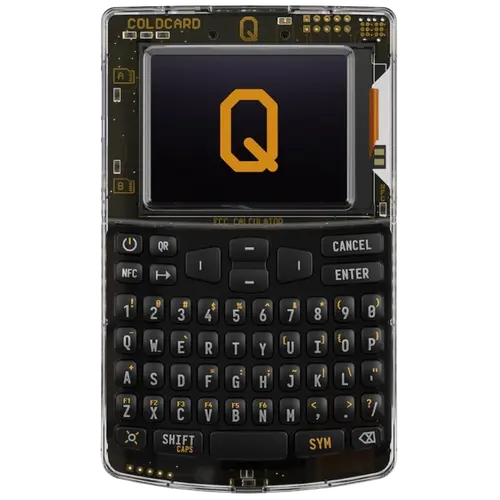
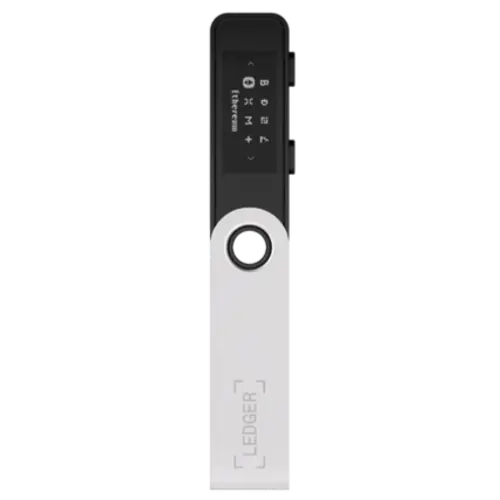
Here's the situation: Coldcard Q is Bitcoin-only. Ledger Nano S Plus supports altcoins. If you've spent any time on this site, you know where I stand on that. But let me walk you through the full comparison anyway.
I've tested both of these wallets and formed opinions the old-fashioned way: by actually using them. Here's what stood out.
Ledger Nano S Plus: Security Incidents You Should Know
May 2023: Ledger Recover Capability
Same firmware architecture allows seed extraction like Nano X.
These aren't hypothetical risks. They happened. When a company has multiple critical security incidents, you have to ask: why would you trust them with your bitcoin?
The Bottom Line
Coldcard Q wins by virtue of being Bitcoin-only. Why would you trust your sats to a device cluttered with altcoin code?
Coldcard Q's Advantages
- Bitcoin-only focus (reduced attack surface)
- Air-gapped operation for maximum security
- Full QWERTY keyboard
- Large 320x240 color screen
Best for: Users who frequently use passphrases, Those who found Mk4 keyboard tedious, Security-focused Bitcoiners who want latest features, Power users who need maximum flexibility.
Ledger Nano S Plus's Weaknesses
Multi-coin support introduces unnecessary risk. Requires direct connection (potential attack vector). Closed-source secure element. Multi-coin bloat. Same trust issues as Nano X.
The core issue: Ledger Nano S Plus supports altcoins. For serious Bitcoin storage, that's a liability, not a feature.
Side-by-Side Comparison
The specs that matter for Bitcoin security.
| Feature | Coldcard Q | Ledger Nano S Plus |
|---|---|---|
| Price | $249 | $59 |
| Bitcoin-Only | Yes | No |
| Open-Source | No | No |
| Air-Gapped | Yes | No |
| Secure Element | Dual ATECC608B secure elements | ST33K1M5 (closed-source) |
| Connection | MicroSD (air-gapped), USB-C, NFC, QR codes | USB-C |
Under the Hood: Security
The security model is where you should start any comparison. Everything else is just features.
- Coldcard Q: Dual secure elements with extensive anti-tampering. QWERTY keyboard for easier passphrase entry.
- Ledger Nano S Plus: Closed-source secure element. Same trust issues as Nano X.
Neither wallet is fully open-source. That's a problem. When you can't audit the code, you're trusting marketing departments instead of cryptographers. Consider alternatives with verifiable security.
Coldcard Q supports air-gapped operation via QR codes. Your private keys never have to touch a networked device. Every USB cable, every Bluetooth connection is an attack surface you don't need.
My Recommendation
The Coldcard Q is the enthusiast's choice. At $249, it's not cheap. But if you use passphrases regularly, the keyboard alone justifies the upgrade from Mk4. Add QR code support and NFC for PSBTs, and you have the most feature-complete Coldcard ever. The large form factor won't fit in your pocket, but it'll sit nicely on a desk. For power users who want maximum flexibility, this is it.
On Altcoin Support
Ledger Nano S Plus loads firmware for tokens nobody uses. Coldcard Q runs Bitcoin-only code. Less code, smaller attack surface, fewer things that can go wrong. It's not complicated.
Price & Value
You'll save $190 with Ledger Nano S Plus at $59. But Coldcard Q's premium buys you real improvements worth the extra cost.
Who Should Buy Which?
If you value a focused, Bitcoin-only approach, go with Coldcard Q. If a broader feature set matters more, Ledger Nano S Plus is your pick. But for pure bitcoin security, I always lean toward the Bitcoin-only option.
Frequently Asked Questions
Are Coldcard Q and Ledger Nano S Plus Bitcoin-only?
Coldcard Q is Bitcoin-only. Ledger Nano S Plus supports multiple cryptocurrencies.
Which should I buy, Coldcard Q or Ledger Nano S Plus?
Coldcard Q. It's Bitcoin-only, which means cleaner code and a smaller attack surface.
Which wallet is more secure, Coldcard Q or Ledger Nano S Plus?
Coldcard Q has the edge on security. Bitcoin-only firmware means a smaller codebase and fewer potential vulnerabilities.
Is the price difference worth it?
The winner costs more, but the security features justify it.
Full Reviews
Compare Coldcard Q to:

Compare Ledger Nano S Plus to:
Was this helpful?