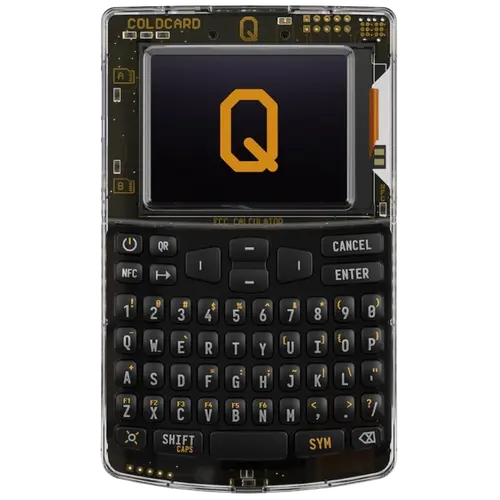
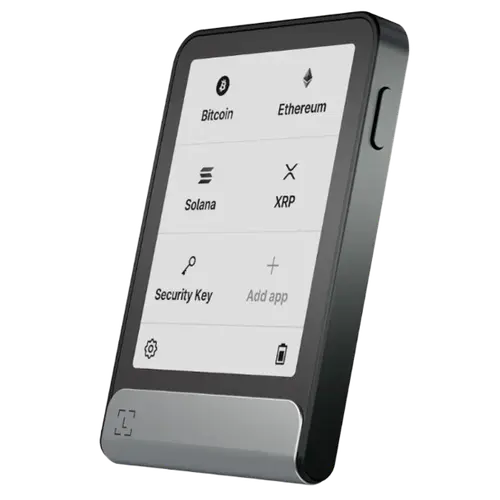
Coldcard Q runs Bitcoin-only firmware. Ledger Flex decided to support altcoins too. One of these approaches is correct. But I'll lay out the full picture so you can see for yourself.
I've spent time with both devices. I've set them up, signed transactions, tested the firmware. What follows is what I found.
The Bottom Line
Coldcard Q wins by virtue of being Bitcoin-only. Why would you trust your sats to a device cluttered with altcoin code?
Under the Hood: Security
The security model is where you should start any comparison. Everything else is just features.
- Coldcard Q: Dual secure elements with extensive anti-tampering. QWERTY keyboard for easier passphrase entry.
- Ledger Flex: Closed-source secure element with e-ink touchscreen.
Neither wallet is fully open-source. That's a problem. When you can't audit the code, you're trusting marketing departments instead of cryptographers. Consider alternatives with verifiable security.
Coldcard Q supports air-gapped operation via QR codes. Your private keys never have to touch a networked device. Every USB cable, every Bluetooth connection is an attack surface you don't need.
Feature Comparison
The specs that matter for Bitcoin security.
| Feature | Coldcard Q | Ledger Flex |
|---|---|---|
| Price | $249 | $249 |
| Bitcoin-Only | Yes | No |
| Open-Source | No | No |
| Air-Gapped | Yes | No |
| Secure Element | Dual ATECC608B secure elements | Closed-source |
| Connection | MicroSD (air-gapped), USB-C, NFC, QR codes | USB-C, Bluetooth, Wireless Charging |
My Recommendation
The Coldcard Q is the enthusiast's choice. At $249, it's not cheap. But if you use passphrases regularly, the keyboard alone justifies the upgrade from Mk4. Add QR code support and NFC for PSBTs, and you have the most feature-complete Coldcard ever. The large form factor won't fit in your pocket, but it'll sit nicely on a desk. For power users who want maximum flexibility, this is it.
Coldcard Q's Advantages
Bitcoin-only focus (reduced attack surface). Air-gapped operation for maximum security. Full QWERTY keyboard. Large 320x240 color screen.
Best for: Users who frequently use passphrases, Those who found Mk4 keyboard tedious, Security-focused Bitcoiners who want latest features, Power users who need maximum flexibility.
What Holds Ledger Flex Back
Multi-coin support introduces unnecessary risk. Requires direct connection (potential attack vector). Still expensive. Closed-source secure element. Multi-coin bloat.
The core issue: Ledger Flex supports altcoins. For serious Bitcoin storage, that's a liability, not a feature.
On Altcoin Support
Every altcoin Ledger Flex supports is code that could compromise your bitcoin keys. Coldcard Q doesn't carry that weight. Bitcoin-only firmware is leaner and more auditable.
The Price Question
The price difference between these two is negligible. Don't let a few dollars drive a decision about how you secure your bitcoin. Compare the features.
Market Context
The hardware wallet market has matured. Coldcard Q and Ledger Flex represent two approaches to the same problem: keeping your bitcoin safe from everyone except you. The wallets that survive long-term will be the ones that take security seriously and respect the self-custody ethos.
Frequently Asked Questions
Is Coldcard Q or Ledger Flex better for beginners?
Both are straightforward to set up. Coldcard Q is my overall recommendation. If you're new to hardware wallets, either one will work, but a Bitcoin-only wallet keeps things simpler.
Which should I buy, Coldcard Q or Ledger Flex?
Coldcard Q. It's Bitcoin-only, which means cleaner code and a smaller attack surface.
Can I use my existing seed phrase?
Both wallets support standard BIP39 seed phrases. You can import your existing 12 or 24-word recovery phrase from any compatible wallet.
Which wallet is more secure, Coldcard Q or Ledger Flex?
Coldcard Q has the edge on security. Bitcoin-only firmware means a smaller codebase and fewer potential vulnerabilities.
Full Reviews
Compare Coldcard Q to:

Compare Ledger Flex to:
Was this helpful?